

























































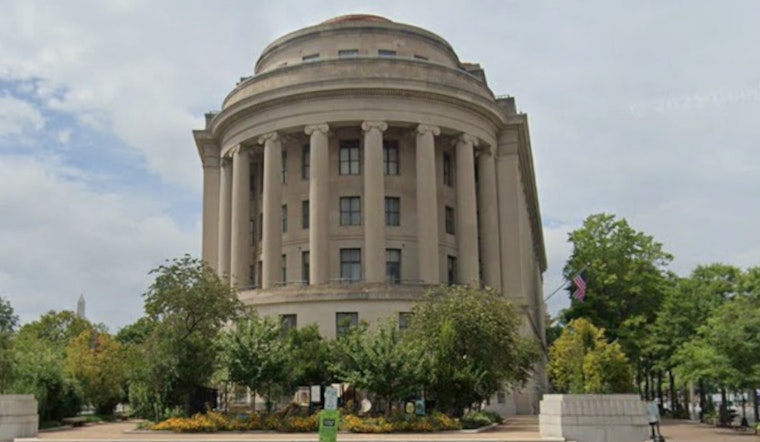
Those big, friendly “free delivery” banners on your favorite food apps may soon come with a reality check. The Federal Trade Commission has launched a nationwide review of how food and grocery delivery platforms display prices, warning that splashy offers can hide steep service charges that only show up at the very end of an order. Officials say those surprise add-ons muddy comparison shopping and quietly drive up the true cost of everyday meals and groceries, following a rise in consumer complaints and recent enforcement actions.
As laid out by the FTC, the agency is seeking written public comments as a first step toward potential rulemaking on unfair or deceptive fee practices tied to delivery apps. "Clear and truthful pricing is essential to competitive markets," Christopher Mufarrige, director of the FTC’s Bureau of Consumer Protection, said in the announcement. The agency is pitching the move as an effort to protect consumers and shore up price transparency.
What the ANPRM Asks
The FTC’s 47-page Advance Notice of Proposed Rulemaking lays out a long list of questions for consumers, advocates and industry. Among them: should platforms have to show the total price up front, spell out who actually gets each fee, clarify when fees are variable or contingent, and disclose any use of personalized pricing. The ANPRM notes that, "while platforms may purport to offer 'free delivery' or '$0 delivery,' they often tack on non‑optional charges for delivery orders," and asks whether a nationwide rule could rein that in. Once the notice is published in the Federal Register, consumers will have 30 days to file comments. The full text is available in a filing from the FTC.
Enforcement History
The agency is not starting from scratch. It pointed to recent settlements and enforcement actions as proof the problem has staying power. Regulators highlighted a roughly $60 million settlement with Instacart in December 2025 and a $25 million settlement with Grubhub in December 2024 over alleged misleading delivery pricing, according to Dow Jones/MarketScreener. Taken together, those cases signal the agency’s view that case-by-case enforcement may not be enough to fix disclosure problems across the industry.
Why Consumers Care
For many shoppers, the frustration is already familiar. People tell local stations they often do not see the real bottom line until the very last screen of an order. "I bought something recently, and it was like $100, and it’s only eight items," one Atlanta shopper told WSB‑TV, summing up how quickly fees can snowball for families on a budget.
What Comes Next
The draft notice went to the Office of Management and Budget for review earlier in April, and the FTC says the ANPRM will be published in the Federal Register, which will trigger the 30-day public comment window. After collecting feedback, the agency could issue a specific proposed rule, revise its strategy, or lean on other enforcement tools instead. Any final outcome could force delivery platforms to rethink how they advertise prices and break out fees on checkout screens.
Legal Implications
If the FTC moves from an ANPRM to a binding rule, it could broaden the reach of the agency’s prior work on unfair or deceptive fees and give regulators more explicit authority to seek civil penalties and consumer refunds under existing trade-regulation powers, as reflected in the Federal Register rulemaking record. For businesses, that would likely translate into showing an all-in price when a product is first displayed and being much clearer about what a "service" or "convenience" fee actually covers. Legal analysts note that such changes could raise compliance workloads but would likely improve transparency for shoppers.





