

























































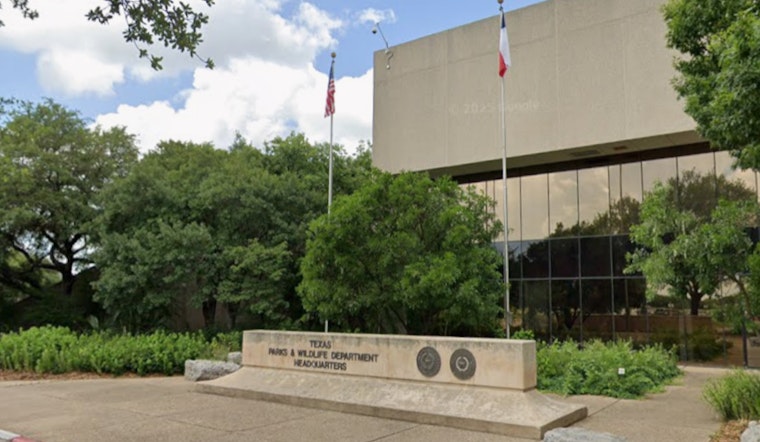
A federal investigation has pulled the plug on the Texas Parks and Wildlife Department’s long-running gill-net surveys, putting one of the state’s most important fisheries datasets on ice and leaving a nearly 50-year record with some risky holes. Scientists and coastal anglers warn that the missing spring seasons are already clouding stock assessments and the tough regulatory calls that come with them.
NOAA Fisheries’ Office of Law Enforcement and Office of Protected Resources opened an inquiry in May 2024, and on May 23, 2024, TPWD suspended its gill-net sampling. The standardized survey protocol, described in TPWD’s letter-of-authorization application to NOAA Fisheries, involves dozens of randomized, overnight 600-foot gill nets set across the major Texas bay systems in two 10-week seasons each year. TPWD officials told the Houston Chronicle the agency has set roughly 31,386 gill nets over 41 years, intercepted about 301 turtles, with about half of those dying, and that staff recovered 3,260 sea turtles between 2017 and 2025. The shutdown left several spring seasons unfinished.
Federal Register deadlines this week
The permitting fight is now playing out in the federal docket. A March 17 Federal Register notice opened a public comment period on TPWD’s application for incidental take of sea turtles, according to the Federal Register. On March 18, a separate proposed rule was filed that would authorize incidental takes of bottlenose dolphins, also noticed in the Federal Register. The comment windows for both actions close April 16 and 17, 2026.
These filings are required procedural steps that the National Marine Fisheries Service must complete before it can decide whether to authorize the incidental takes that would legally allow TPWD’s gill nets back into state waters.
Why the missing springs matter
TPWD’s gill-net time series supports stock assessments, regulation changes and a long trail of academic work. Spring net sets are widely seen as the single most important window for gauging adult finfish abundance in the bays, so losing that slice of the record is not a trivial hiccup. The interruption has immediate consequences for research and management, since TPWD’s sampling underpins dozens of peer-reviewed papers and graduate theses.
Stakeholders told the Houston Chronicle that the missing years will make it harder to see long-term trends in key species and to fine-tune regulations that are supposed to protect stocks still recovering from previous declines.
Legal stakes and the permit path
The NOAA inquiry centers on incidental encounters with protected sea turtles and bottlenose dolphins, and on whether those incidents, combined with the lack of a federal authorization, trigger violations of the Marine Mammal Protection Act or the Endangered Species Act. In response, TPWD has submitted applications and a Conservation Plan describing monitoring, mitigation and reporting measures and explaining why the agency considers the decades-long dataset irreplaceable. Those documents are included in TPWD’s LOA application to NOAA Fisheries.
Before any nets can go back in the water, NMFS must review the full administrative record, complete any required analysis under the National Environmental Policy Act and decide whether TPWD’s program meets the statutory standards for incidental take authorizations.
TPWD says it is coordinating with NOAA and hopes to restart full surveys by the fall if the needed authorizations are issued, although the schedule now follows the pace of federal rulemaking rather than the department’s long-standing survey calendar. Until that process plays out, one of the country’s longest continuous coastal monitoring programs remains on hold while regulators, scientists and anglers watch the comment clock tick down.




