

























































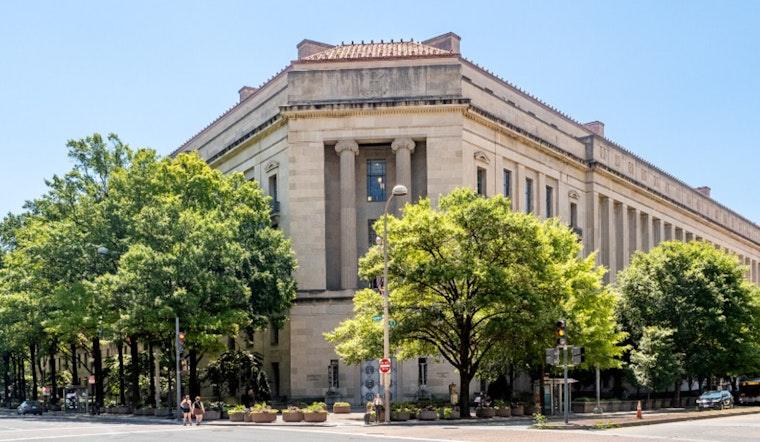
The Justice Department is gearing up for a sweeping antitrust lawsuit against some of the country’s biggest egg suppliers, accusing them of coordinating prices during last year’s runaway spike at the carton. Cal‑Maine Foods and Versova are among the companies reportedly in the DOJ’s sights, as prosecutors scrutinize whether they leaned on industry price‑benchmarking tools to keep wholesale prices aligned even after supply shocks began to ease.
According to Reuters, which cited reporting from The Wall Street Journal, the case focuses on producers that allegedly coordinated through a shared price‑benchmarking service. News of the looming enforcement effort sent Cal‑Maine’s stock down nearly 5% and revived attention on a growing stack of private lawsuits over egg prices.
Cal‑Maine revealed last year that it had received a civil investigative demand from the DOJ and said it was cooperating, according to the company’s filing with the SEC. That filing outlines the scope of the government’s questions. Meanwhile, multiple private cases have been rolled into a single multidistrict litigation that names egg producers, trade associations and market‑data firms as defendants, according to Justia.
How prosecutors say producers may have coordinated
Complaints in the private suits, along with court filings reviewed by reporters, describe a system in which daily benchmark reports and shared pricing updates allegedly helped smooth coordination among rival producers. A class‑action complaint targeting market‑data firm Urner Barry, which operates under the name Expana, alleges that benchmark indices were used to set or validate price moves instead of simply reflecting competition in a free market, according to Penn State.
Market shock and price context
Egg prices exploded in 2025 after a severe outbreak of avian influenza forced producers to cull millions of hens, tightening supply across the country. The national retail price hit a record $6.23 per dozen in March. Government data and analysis from the Congressional Research Service and the USDA show that wholesale and retail prices climbed sharply, then started to retreat as flocks were rebuilt and supply partially recovered. Those price swings sit at the core of both the DOJ’s emerging theory and the private plaintiffs’ claims about how the market behaved.
Legal implications
If the Justice Department ultimately files a civil antitrust case, it could pursue damages, injunctions and other forms of relief while coordinating with the private plaintiffs in the multidistrict litigation. Criminal charges remain a theoretical possibility in price‑fixing investigations when officials believe they can prove an intentional agreement to rig prices. Antitrust watchers say this scrutiny fits into a broader federal focus on how food suppliers use benchmarking tools and industry data, and early court filings hint at intricate overlap between government and private allegations. Legal analysis of these trends is already circulating among antitrust specialists.
The DOJ has not yet placed a public complaint on the docket, and Reuters reports that Cal‑Maine and Versova did not respond to requests for comment. If a civil lawsuit is filed, expect brisk motion practice and a flurry of depositions that should make clear which producers and which data services sit at the center of the government’s case.




_(53840386529).jpg)