

























































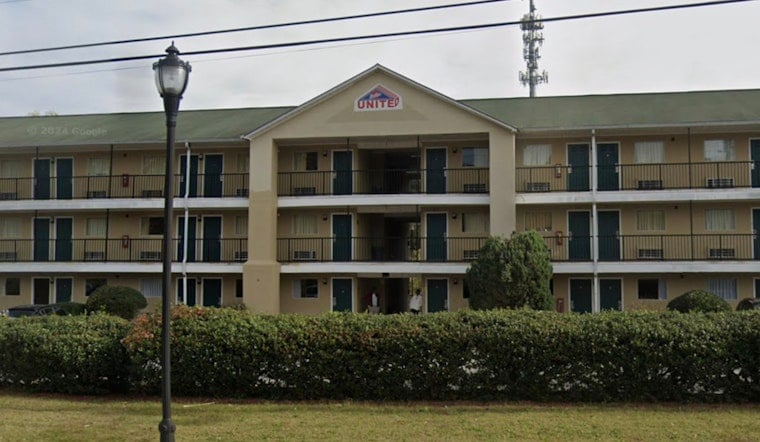
A federal appeals court has yanked three sex trafficking lawsuits against two metro Atlanta hotels back into play, ruling that juries, not judges, should decide whether the properties quietly helped traffickers exploit minors.
In a March 30 opinion, the U.S. Court of Appeals for the Eleventh Circuit revived civil cases targeting United Inn & Suites in Decatur and the Hilltop Inn in Conley. The court vacated earlier summary judgment wins for the hotels and sent the cases back to the U.S. District Court for the Northern District of Georgia, reshaping how trial courts in the circuit look at civil “beneficiary” claims under the Trafficking Victims Protection Reauthorization Act. The panel said more of a hotel’s day-to-day operations can be fair game for juries when deciding if a business benefited from trafficking.
Appeals Court Spells Out the Bar for Liability
The three consolidated appeals, brought under the initials A.G., G.W., and C.B., were resolved in a single published decision that wiped out summary judgment and remanded the suits for further proceedings. The Eleventh Circuit concluded a reasonable jury could infer that hotel staff either provided “personal support” to traffickers or had constructive knowledge that trafficking was taking place.
The court stressed that plaintiffs still have to show “something more” than a basic, arms-length room rental to prove that a hotel participated in a trafficking venture. At the same time, it rejected the idea that defendants must know exactly who the victim is in order to face liability. According to the Eleventh Circuit opinion, these kinds of factual disputes belong in front of juries, not cut off at the summary judgment stage.
What the Record Shows Inside the Hotels
The appellate opinion and local reporting describe a steady stream of red flags at both properties.
At United Inn & Suites in Decatur, traffickers allegedly spent 15 to 20 minutes a day at the front desk, interacting with staff. Employees twice let locked-out minors back into their rooms even though the teens had no identification, and there were stretches when required anti-trafficking notices were not posted, according to the record.
At the Hilltop Inn in Conley, court documents say staff moved a registered sex offender into a cluster of similar tenants, rented him a second room right next door on a nightly basis, and honored his request that the second room not be cleaned. Those details are laid out in court filings and summarized by The Atlanta Journal-Constitution.
How the Ruling Raises the Stakes for Hotels
The Eleventh Circuit’s decision clarifies that the “something more” needed for a beneficiary claim under 18 U.S.C. § 1595 can come from ordinary operational choices. That includes where guests are placed, how front-desk staff handle repeat visitors with warning signs, and whether housekeeping follows instructions that could help hide abuse.
Practitioners say the ruling will make it tougher for hotels in the circuit to knock out trafficking suits early, and instead will push more disputes into full-blown discovery and in front of juries. For deeper legal analysis, see coverage in Law360 and a detailed breakdown at CaseMine.
Backstory: Big Verdicts and Bigger Settlements
The opinion lands in the wake of a headline-grabbing, $40 million jury verdict last year against United Inn & Suites in Decatur, along with a string of multimillion-dollar settlements in similar sex trafficking cases across metro Atlanta. That run of litigation and large payouts has already nudged the local hospitality industry to rethink compliance and risk management practices, as chronicled by The Atlanta Journal-Constitution.
What Happens Next in Court
All three revived cases now head back to the U.S. District Court for the Northern District of Georgia for the next round, which could include more discovery and potential jury trials. The Eleventh Circuit vacated the district courts’ summary judgment rulings and instructed the lower court to move forward on the specific triable issues the opinion identified.
For the full legal roadmap and the panel’s instructions to the trial court, see the complete Eleventh Circuit opinion.
Why It Matters for Metro Atlanta
For hotels and motels around Atlanta, the decision raises immediate, practical questions about staff training, ID checks, housekeeping policies, and posting required anti-trafficking notices. Plaintiffs in these cases argue that routine choices in those areas can quickly turn into evidence that a property helped facilitate trafficking.
Local advocates and attorneys expect the ruling to speed up calls for formal training and clearer protocols at properties where warning signs were previously shrugged off. More local background and reaction are available from Atlanta News First.





