

























































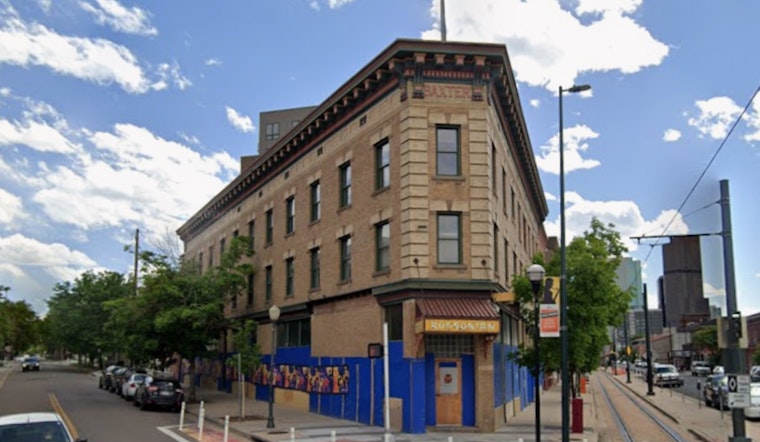
Developers trying to bring the long-quiet Rossonian Hotel back to life in Five Points want Denver to let future tax revenue help bankroll the project’s public improvements and infrastructure. The pitch revives a decades-old promise to reopen a functioning hotel, restaurant and music venue at one of the city’s most storied corners, and neighbors say it might finally turn years of talk into jobs, live shows, and a busier Welton Street.
Developers Look To Future Taxes For Help
According to the Denver Business Journal, the team behind the Rossonian has asked local urban-renewal officials to approve tax-increment financing, or TIF, for the block. The request would let future increases in property and sales tax generated on the site be funneled back into eligible pieces of the project.
Developers are framing the ask around unglamorous but expensive work like infrastructure upgrades, site remediation and public improvements that they say are necessary to make a historic rehab pencil out. In plain English, they are asking the city to let the project use some of the new tax money it is expected to create in order to get built in the first place.
Who Is Behind The Revamp
Owner and developer Palisade Partners is leading the effort and says its plan would restore the landmark structure and add hotel rooms, a ground-floor restaurant and a live-music lounge. The company’s project page lists a target opening year of 2028 for a fully revived Rossonian, complete with hospitality and entertainment uses that echo its past.
Construction firm Milender White describes the current phase as preconstruction work, with a strategy that pairs careful historic rehabilitation of the existing brick building with new infill construction on the site. Developer materials also list Craine Architecture, Semple Brown and CoralTree Hospitality as part of the project team.
A Cornerstone Of Five Points History
The Rossonian holds an outsized place in Five Points history as a jazz-era hotel and lounge that hosted traveling Black musicians during segregation, when many performers were shut out of other parts of the city. Its cultural role is central both to the redevelopment pitch and to what residents say they expect to see there in the future.
The building is recognized by the National Register and local archives for its significance, and project materials emphasize keeping the triangular brick facade intact as part of the rehab. That legacy is a big part of why the proposal draws intense interest, along with scrutiny, from community advocates who want the site to feel authentic to the neighborhood’s past and present.
How TIF Works, And Why It Draws Heat
Tax-increment financing is the tool Denver’s urban-renewal authority uses to capture new tax revenue inside a defined project area and apply it to certain costs, such as streetscape work and infrastructure. The Denver Urban Renewal Authority explains that before any increment can flow, projects must go through a series of approvals and impact reports.
The approach has also drawn attention at the state Capitol, particularly around transparency and how TIF affects other taxing entities. Lawmakers debated a bill this year that would have changed how those entities respond to TIF impact reports. That proposal was heard in committee in the spring but ultimately did not move forward, according to the Colorado General Assembly
Big Approval Still Hanging Out There
The Rossonian’s restoration design recently cleared a key hurdle when Denver’s Landmark Preservation Commission signed off on the plans. Coverage of that vote noted that the approval was a major milestone for the long-discussed project, but it did not flip on the construction switch overnight, as per Denver7.
Developers still need additional city approvals and any urban-renewal boundary designation before TIF money could be used. Permits, financing arrangements and a final agreement with the urban-renewal authority will determine whether work can move from renderings to reality.
For now, Palisade’s materials continue to point to a 2028 opening, but that timeline depends heavily on what the city decides about TIF and other sign-offs. If the urban-renewal authority agrees and the financing stack comes together, project leaders say construction would roll out in phases. If not, the Rossonian risks staying what it has been for years, a legendary address in Five Points that is still waiting on its full comeback.




