

























































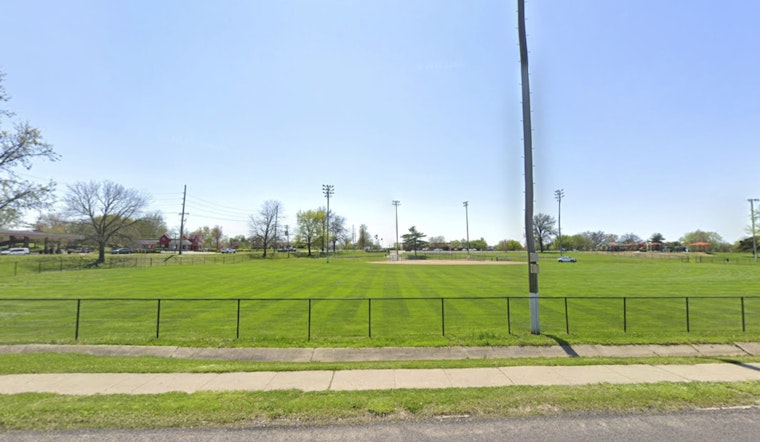
Florissant voters on Tuesday signed off on a charter amendment that shuts the door on behind-the-scenes parkland deals, at least without their say. The new rule stops city officials from selling, swapping or otherwise repurposing parkland unless voters first give a thumbs-up at the ballot box. The vote wrapped up a months-long fight that started when the city floated a land swap that would have turned part of Koch Park into a residential subdivision. Backers of the change said it keeps parks firmly in public hands and guarantees residents a permanent voice on major park decisions.
What passed
The measure, Proposition 1 on the April ballot, amends the city charter to require voter approval for certain land transactions involving city parks, according to the St. Louis Post‑Dispatch. Supporters said the language is broad enough to cover sales, leases, swaps and transfers that would strip land of its public-park status. The Post‑Dispatch reported unofficial returns showing the question passing by a comfortable margin Tuesday night.
The Koch Park swap that sparked the fight
The ballot question grew out of a 2023 land-swap plan that would have allowed a builder to develop roughly 31.5 acres at Koch Park in exchange for about 43.7 acres of wooded land near the Missouri River, according to the City of Florissant. Local coverage at the time documented residents’ objections and noted that the council imposed a moratorium on further park trades while the issue was debated, according to KMOV. Opponents said the swap would take away familiar recreational space, while supporters argued the trade added riverfront greenspace and opened the door to new housing options.
How residents organized
Local conservation group Open Space STL teamed up with neighborhood activists to push the charter amendment onto the ballot, saying the change would give residents a direct voice on parkland decisions, as detailed by Open Space STL. The organization said it gathered more than 1,500 signatures to force the issue and worked with the Great Rivers Environmental Law Center on the amendment’s legal language. City leaders ultimately agreed to place the question on the ballot and kept the moratorium in place while voters decided.
What this will change
With the charter amendment now approved, any future proposal that would remove public parkland from municipal ownership should require a ballot measure. City attorneys may still need to sort out the exact thresholds and any narrow exceptions. That legal gray area was a recurring point of debate during the campaign and in council hearings. The Post‑Dispatch noted that even some supporters expect follow-up questions about how the new rule will be interpreted and enforced, and legal review could follow when future deals are proposed.
Legal note
The ballot language references the ordinance used to place the question on the ballot and formally embeds the new requirement in the city charter, according to Open Space STL. That structure means future developers and the city will likely face legal scrutiny if they try to craft transactions that could be interpreted as removing parkland without first seeking voter approval.





