

























































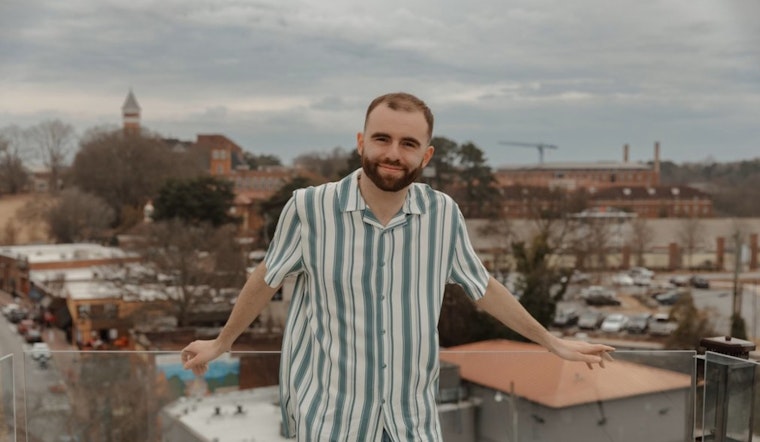
Connor Tomlinson, a Forsyth County native who became a fan favorite on Netflix’s Love on the Spectrum, has spent much of this legislative session urging Georgia lawmakers to pass Senate Bill 433, better known as Rio’s Law, a proposal aimed at reducing fraught encounters between police and people with autism. The measure would create an optional specialty license plate and add autism-response training to basic peace-officer courses. Tomlinson says his visibility on the show pushed him into advocacy and that helping pass the bill feels deeply personal.
What Rio’s Law Would Do
Senate Bill 433 would authorize a specially designated “Autism Spectrum Disorder or Developmental Disability” license plate for eligible Georgia drivers and would require that basic peace-officer training include instruction on interacting with people who are neurodivergent, including alternatives to physical restraints and protocols for contacting caregivers, as summarized by BillTrack50. The official enrolled text lays out eligibility rules, the plate’s design language, and directs that it bear the “Just Bee” symbol or a reasonable facsimile, along with misdemeanor penalties for willful false claims, according to the enrolled bill from the Georgia General Assembly. Supporters say the training would be developed with state health agencies and nonprofits and would be added to basic training courses by January 1, 2027.
Tomlinson at the Capitol
Tomlinson, 27, has made several trips to the Gold Dome this session to press lawmakers to support the measure, and he says the advocacy has grown alongside his rising profile on Netflix, he told CBS Atlanta. “It really gives me a great sense of accomplishment knowing that I’ve helped make Georgia a safer place,” Tomlinson told CBS. He has said he worries that everyday behaviors such as avoiding eye contact or stuttering can be misread by officers and that focused training could prevent dangerous misunderstandings.
Why Advocates Back It
Supporters say the idea grew from real incidents in which lights and sirens overwhelmed people with autism and escalated traffic stops, a history advocates such as Layla Luna have shared, according to The Atlanta Journal-Constitution. Local reporting describes law-enforcement leaders telling lawmakers that having additional context at a stop can help officers understand unexpected behavior. Advocates also point to South Carolina’s 2024 specialty plate as a nearby precedent lawmakers can study.
What Happens Next
The Senate approved SB 433 unanimously in late February, according to GPB, and the measure is now on Gov. Brian Kemp’s desk. The governor has 40 days to sign or veto the bill once it reaches him; if he takes no action by May 13 the measure will automatically become law, CBS Atlanta reports. Advocates say a prompt signature would put Georgia among the first states to pair an optional identifying plate with required officer training.
Tomlinson’s Next Moves
Tomlinson has said he will not return for Season 5 of Love on the Spectrum and is focusing on voice acting and animation, according to TV Insider. He says he plans to keep doing advocacy work off camera while pursuing new creative projects.
If signed, Rio’s Law would let drivers and their families signal the need for different handling during traffic stops and would give officers specific training and protocols to de-escalate, proponents say. The enrolled text also spells out design guidance and penalties for misuse, details that are laid out in the official bill document and public bill summaries linked above.





.jpg)