

























































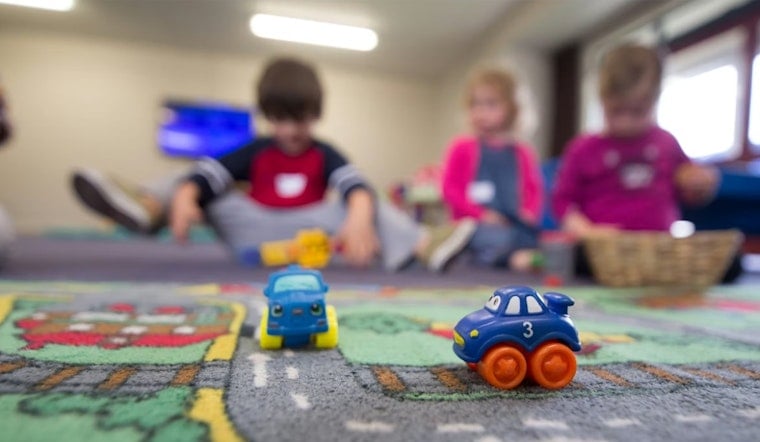
Nearly four years after voters overwhelmingly signed off on Measure H to let licensed child care operate inside parks and recreation centers, the neighborhood classrooms that measure promised are still largely theoretical. Families say the city has identified potential sites and even secured federal dollars, yet legal reviews, retrofit costs and looming cuts at City Hall have kept new spots out of reach. With the budget debate heating up, parents and providers say the next few weeks will likely decide whether Measure H finally delivers real classrooms or stays stuck as a nice idea on paper.
What Measure H changed
Measure H amended the city charter in 2022 to allow the city to lease parks and recreation property to licensed child care operators, a change voters backed by a wide margin, as reported by KPBS. That tweak cleared the way for staff to comb through the city’s real estate portfolio and flag possible child care locations. Early analyses turned up dozens of city-owned spaces that might be repurposed, and advocates along with council offices expected a mix of tenant improvements and new leases could convert some of those rooms into neighborhood slots once money and legal details were sorted out.
Why implementation has lagged
Getting from concept to kids in classrooms has moved slowly, bogged down by feasibility studies, legal reviews and the lack of dedicated capital funding to bring many recreation-center rooms up to state licensing standards. The San Diego Union-Tribune reports that advocates now describe the effort as “largely at a standstill” and note that the office set up to coordinate the work has already lost staff. The paper also details how thousands of children remain on waitlists for state-subsidized care, a gap supporters say Measure H was supposed to help close.
City planning and federal dollars
Even with the slow pace, city staff have picked out a small group of recreation centers, mostly in South San Diego, as early candidates for Measure H projects and are studying whether prefabricated or portable buildings could accelerate timelines, according to a briefing to the Parks & Recreation Board. That packet from the City of San Diego spells out the upgrades most locations would need, from restrooms to HVAC work, and describes an RFP and ITB path for spaces that can be made “license-ready.” On the funding side, Congresswoman Sara Jacobs has secured community project money that includes roughly 2 million dollars to support prefabricated child care units, according to Rep. Sara Jacobs.
Budget fight puts progress at risk
All of that planning is now colliding with a grim city budget outlook. Mayor Todd Gloria’s draft spending plan attempts to close a sizable deficit with furloughs, new revenue and service reductions, and would trim library and recreation hours that overlap with Measure H implementation, Voice of San Diego reported. Advocates warn that cutting or shrinking the Office of Child and Youth Success would pull away the staff and grant-writing muscle that has been pushing site preparation and public-private partnerships. The City Council’s decisions on the fiscal year 2027 budget will determine whether one-time money for tenant improvements survives or whether the charter change remains more legal framework than lived reality.
How big the need is
The underlying shortage is not subtle. County maps and planning datasets that incorporate YMCA licensing information show large portions of the region qualify as child care deserts, with licensed capacity falling far short of potential demand. Those supply maps and related planning work are a big part of why advocates argue the city needs seed funding and a clear coordinator to convert Measure H sites into stable, licensed classrooms.
What’s next
City staff say the immediate next steps involve formal procurement and qualification requests for modular child care buildings while the City Council hammers out the fiscal year 2027 budget. The mayor’s office, for its part, has highlighted operational consolidations it argues will save money, according to a release from the City of San Diego. If the council restores one-time funds for tenant improvements and the city moves quickly on the federal dollars for modular units, pilot sites could advance. If those pieces fall out of the budget or stall, Measure H is likely to remain aspirational for yet another year, and advocates say they will keep pressing councilmembers for dedicated startup funding and the cross-department coordination the city began but has not fully funded.





