

























































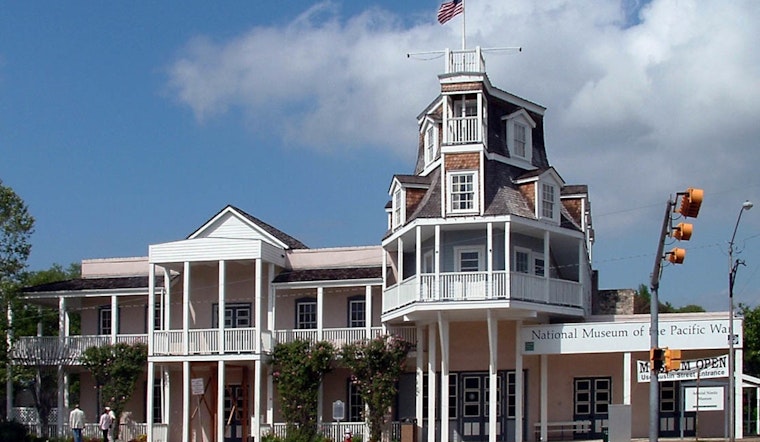
World War II is no longer just a date range on a wall in Fredericksburg. The National Museum of the Pacific War has overhauled its George H.W. Bush Gallery so the conflict feels like something you move through, person by person, instead of a chapter you skim. The reimagined space leans on immersive scenes, hands-on stations, and first-person storytelling so visitors meet the people who lived the war, not just the bullet points. Museum leaders say the update is fueled by urgency as the number of living veterans rapidly declines and memories risk slipping into abstraction.
According to the National Museum of the Pacific War, the revamped Bush Gallery brings in nine virtual characters, a new Relevance Gallery, strategy-based interactives, and "The Rescue," a submersive, story-driven experience. The museum reports that nearly 300 never-before-displayed artifacts are now on view, with a simplified layout meant to cut down on reader fatigue and keep people moving comfortably through the galleries. Designers paired large artifacts with digital interpretation and tactile displays so grandparents, teens, and younger kids all have something they can literally and figuratively reach for.
As reported by CBS Austin, Museum Director David Shields called the on-display HA-19 midget submarine "the only one of the five Japanese submarines that survived the attack on Pearl Harbor." The outlet also notes the museum "houses the largest collection in the world of Pacific War artifacts" and quotes 13-year-old Elizabeth Winters saying, "The design is really cool and the way they redesigned it I’m just learning a lot more than I do in school." Rorie Cartier, the museum's CEO, told the station, "History matters because people matter and that makes history less abstract and more tangible to our guests."
What visitors will see
Reporters who toured the relaunch describe a gallery that hits harder emotionally while being easier to navigate, with a redesigned Pearl Harbor room and room-sized multimedia scenes that put the day’s events into fuller context. The Houston Chronicle notes the exhibition spans tens of thousands of square feet and now relies on simplified wall copy, rotating mounts, and game-like interactives so guests can stay engaged without feeling buried in text. That reporting highlights how the renovation balances "macro-artifacts" like planes, tanks, and the minisub with personal narratives and clearer interpretation, so the big hardware does not drown out the individual stories.
A Hill Country destination
As the museum's own account explains, the refreshed Bush Gallery is designed to keep Fredericksburg's six-acre campus relevant to both tourists and locals and to fit neatly into a day split between Main Street and nearby wineries. Museum leaders say the relaunch lets the campus function as both a research center and a living-history site where students, families, and veterans can connect. Those local ties, they argue, reinforce the museum’s role as a cultural anchor for the Hill Country rather than just a one-and-done field trip stop.
Why this matters
The urgency behind the redesign is stark. The National WWII Museum cites Department of Veterans Affairs figures showing roughly 45,418 of the roughly 16.4 million Americans who served in World War II remain alive as of 2025. With that window closing, staff say capturing firsthand stories through virtual characters and multisensory exhibits is essential to keeping personal memory tethered to physical artifacts. The Relevance Gallery and living-history programs are built to carry those memories forward in ways that still resonate with younger visitors who know the war mostly from textbooks and movie nights.
The reimagined Bush Gallery adds new ways to hear those stories while the museum continues regular hours and programming, CBS Austin reports. Visitors can expect rotating artifacts and special programming tied to the exhibit rollout, and museum staff says the experience will continue to evolve as new items come out of storage and into the spotlight. For Hill Country visitors, the goal is to make a stop at the Bush Gallery feel both educational and immediate, like history you step into rather than history you just read about on your way to the next tasting room.





