

























































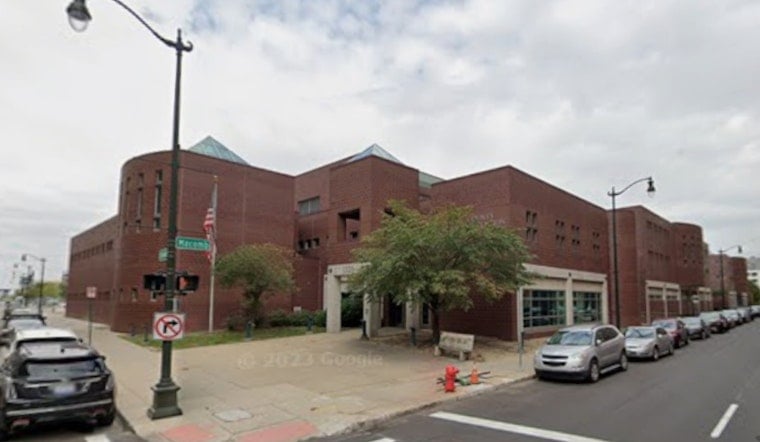
Detroit’s most infamous stalled construction site is finally getting a second act.
Construction crews broke ground Tuesday, April 14, 2026, on a new life sciences and research building at the long-vacant Gratiot "fail jail" site at the east entrance to downtown Detroit. Bedrock is developing a two-story, roughly 90,000-square-foot building that will include clinical care and research, with a BAMF Health and Henry Ford Health joint venture anchoring the ground floor. City officials said the project is the first step in a larger plan to remake the 14-acre parcel into an innovation district. Developers expect parts of the building to be serving patients by late 2027.
Mayor Mary Sheffield joined Bedrock executives for a ceremonial groundbreaking as crews began excavating remnants of the quarter-built jail complex. As reported by the Detroit Free Press, Sheffield said today represents progress on multiple fronts while developers described the project as a gateway to downtown. The Free Press also noted that work began at the Gratiot entrance into the city’s core and that Bedrock had first unveiled plans for the Gratiot Life Sciences Building in late 2024.
The building’s first floor is slated to host a 45,000-square-foot Comprehensive Theranostics Center that combines molecular imaging, radiopharmaceutical therapy and an on-site radiopharmacy. The facility will be operated through a joint venture between BAMF Health and Henry Ford Health. In a press release, BAMF Health outlined plans for an integrated clinical and research space that it says will expand access to precision medicine in Detroit. Company leaders described the center as a regional hub for targeted diagnostics and clinical trials.
The Gratiot parcel, long nicknamed the "fail jail" after Wayne County halted its own jail project there in 2013, covers about 14 acres and sits near the I-375 ramp into downtown. The Life Sciences Building was originally proposed as a five-story, roughly 220,000-square-foot structure, but it was later scaled down to a two-story plan of approximately 90,000 square feet after an expected anchor tenant withdrew, according to The Detroit News. City planners and developers say the smaller footprint will allow a visible, patient-facing phase to be completed sooner while preserving space on the site for later phases.
State filings and tenant-attraction coverage put the BAMF operation’s footprint at about 45,000 square feet and estimate that the wider project will create construction jobs now and roughly 90 permanent positions once the theranostics center opens. The Metro Times reported that the BAMF portion is scheduled to be serving patients by late 2027 and that state incentives helped secure the anchor tenant. Officials say the work is also intended to link new clinical capacity to Detroit’s growing research ecosystem.
What’s Planned And Who’s Involved
BAMF Health and Henry Ford Health will operate the clinical and research programs on the ground floor, while the remaining space in the building is intended for laboratory support, shared workspace and community-facing services, according to reporting by Crain's. Bedrock first unveiled the concept last year and has pitched the site as the start of an innovation district that could eventually include university partners and co-working operators. The developer has also discussed adding parks and pedestrian improvements along Gratiot to better stitch the site into downtown.
Bedrock executives have repeatedly framed the project as a chance to reclaim a long-idle corner of the city. "Dan Gilbert always envisioned the Gratiot Site as the gateway to downtown," Bedrock leadership said in earlier remarks, as reported by Urbanize Detroit. Supporters argue the medical focus addresses specialty-care gaps in Detroit, while critics point out that a two-story starter building is modest compared with earlier ambitions. Developers counter that completing this first phase should make it easier to attract follow-on tenants for future stages of the project.
Next Steps For The Site
Crews will continue clearing rubble and performing remediation on adjacent jail parcels while construction teams move forward on foundations and underground work, according to The Detroit News. City planning approvals and construction staging will influence how quickly Bedrock can launch follow-on phases, and developers say visible work should continue in the months ahead. If current timelines hold, patient services in the theranostics center are targeted for late 2027 as the project’s first major milestone.





