

























































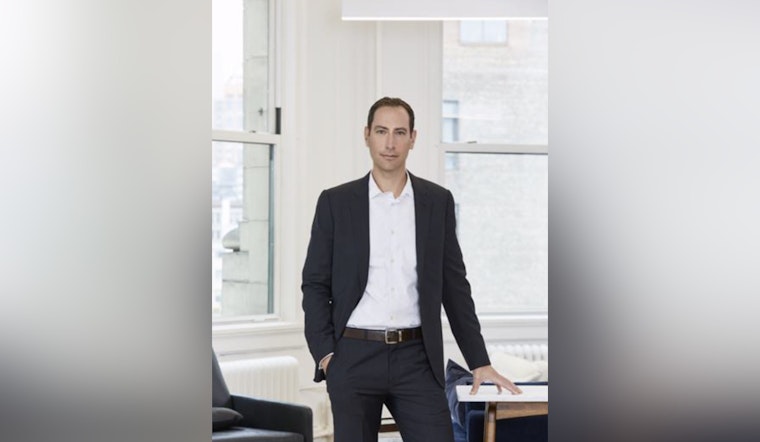
GFP Real Estate is carving out its busy development business into a standalone shop, launching a separate affiliate called GFP Development and tapping Brian Steinwurtzel as chief executive of the new company. The move pulls the firm’s construction, conversion and adaptive reuse work into its own lane, separate from GFP’s long-held ownership and property-management operations. Jeffrey Gural will stay on as chairman and continue to oversee GFP Real Estate’s existing portfolio while Steinwurtzel runs the development platform.
The restructuring was detailed in a press release on GlobeNewswire, which said GFP Development will chase large-scale conversions, repositionings and ground-up projects across New York City and the surrounding region. The release named Tom Ortinau and Scott Beadle as partners in the new affiliate and confirmed that Gural will hold the title of chairman and CEO of GFP Real Estate. In the announcement, Steinwurtzel said the formalization gives the team "a dedicated identity and sharper strategic focus."
Projects on the Docket
Steinwurtzel has effectively been auditioning for this role for years. He has already led a run of GFP conversions and adaptive-reuse projects, including 100 Gold Street, 25 Water Street and 222 Broadway, as reported by The Real Deal. Those deals span office-to-residential conversions, waterfront redevelopments and mixed-use relaunches that helped build the pipeline now rolling into GFP Development. The Real Deal also noted that day-to-day operations are not expected to change much, since Steinwurtzel had already been running GFP’s development division.
100 Gold Street: A Big Test
One of the biggest assignments on GFP’s plate is 100 Gold Street in Lower Manhattan, which the New York City Economic Development Corporation selected GFP to redevelop into roughly 3,700 mixed-income homes with at least 25 percent permanently affordable units, according to NYCEDC. The city’s announcement says the plan includes about 40,000 square feet of new public open space, a publicly accessible fitness center and an upgraded older-adult center. The project is expected to move through environmental review and ULURP as the team advances design and financing.
Why the Split Matters
Gural told The Real Deal that the change is meant to "limit market confusion and give credit" to the executive running development. It also marks a clear generational leadership shift at a four-generation family firm that controls a broad Manhattan portfolio. For outside investors and partners, having a distinct development brand can clarify who is underwriting deals and where construction-level decisions are being made.
What to Watch Next
One big question is whether the new entity will start swinging for standalone marquee repositionings. Earlier this year, a report on Gural's bid for the Chrysler Building ground lease said Gural had been in advanced talks with Cooper Union over the ground lease for the Chrysler Building, a potential blockbuster that would demand serious capital and put any developer’s conversion skills to the test. With a dedicated development arm, GFP can present a cleaner, more targeted pitch to joint-venture partners and lenders on large, complicated projects, although financing costs and renovation budgets remain the hard ceiling.
ConnectCRE framed the launch as a formalization of GFP’s rapidly growing development platform and said the move positions the firm to scale adaptive-reuse and ground-up work across the region. For New Yorkers tracking conversions and the reuse of city-owned sites, GFP Development turns what had been an internal capability into a named player that partners, public agencies and the wider public can follow more easily.



