

























































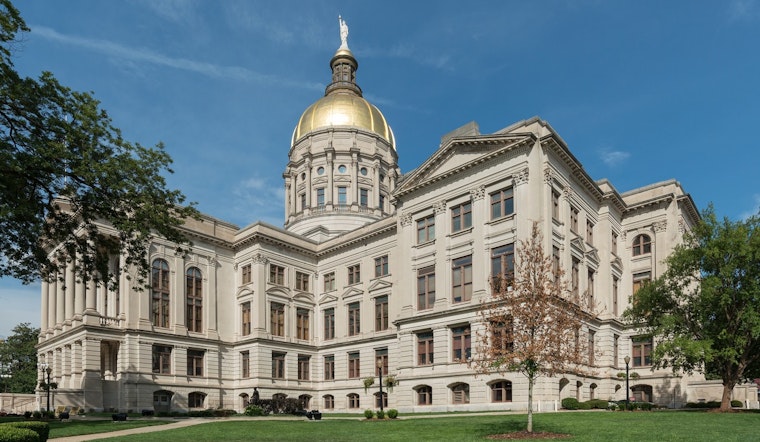
State Republicans at the Georgia Capitol are pushing a proposal that would sideline local transit expansion votes for years, effectively telling Cobb and Gwinnett County voters: you had your say, now live with it until 2032.
The measure would block counties from asking voters to approve new transit sales taxes for eight years after a failed referendum. It targets county-level Transit‑SPLOST ballots and arrives in the wake of two expensive 2024 defeats in metro Atlanta suburbs, turning a policy fight into a stark power struggle over who actually steers local transportation plans.
The state Senate has already voted to back the plan, which would put an eight-year freeze on county transit sales-tax votes, according to the Atlanta Journal‑Constitution. As written, the bill would not touch regional TSPLOSTs or the ongoing MARTA penny sales tax, but it would keep counties from returning to the ballot for a transit‑only sales tax for nearly a decade after a loss.
Rep. John Carson (R‑Marietta), who is carrying the bill in the House, told the Atlanta Journal‑Constitution that voters are dealing with “SPLOST fatigue” and are tired of seeing similar tax questions reappear on ballots. The Cobb Taxpayers Association, which led the opposition to Cobb’s 2024 proposal, praised the push as a way to “protect taxpayers,” according to the paper.
Critics Say It Handcuffs Local Planning
Transit advocates and some local leaders argue that an eight-year timeout is less about voter relief and more about tying counties’ hands just as the region tries to catch up on transit. They warn it could undercut long-term planning and even make it harder to win competitive federal dollars that often require a local match.
Matt Yarbrough of the Council for Quality Growth told SaportaReport the moratorium “limits the capacity of the region to do comprehensive transit planning” and said a shorter waiting period would be far less disruptive to serious regional work.
Backstory
The brewing showdown follows two high-profile failures at the ballot box in November 2024. Voters in both Cobb and Gwinnett rejected multi‑billion dollar transit plans. Cobb’s proposal drew roughly 38 percent support, while about 47 percent of Gwinnett voters backed theirs, leaving both counties without a dedicated revenue stream to match future federal grants.
Lawmakers backing the moratorium have pointed to mounting frustration among opponents who felt the measures were too big, too expensive, or too frequent, a rationale highlighted in reporting by Axios.
What Happens Next
The moratorium has cleared the Senate, but its path in the House is less certain as lawmakers barrel toward the end of the session. The Atlanta Business Chronicle reports the fight amounts to a high‑stakes intervention by state Republicans into what had largely been county‑driven transportation decisions.
Gwinnett Chair Nicole Love Hendrickson and Cobb Chair Lisa Cupid told SaportaReport they want more collaboration between the state and local governments, not a blanket waiting period. They argue that putting transit votes on ice for nearly a decade would work against efforts to ease gridlock and could stall momentum just as congestion keeps getting worse.
Opponents of the bill warn that if it becomes law, it will do more than delay a couple of do‑overs. The measure would lock in an eight‑year waiting period after any failed transit referendum and likely push county leaders to hunt for other, slower ways to expand service. For suburban commuters stuck in traffic, the fight is now less about bus routes and rail lines and more about a political tug‑of‑war that will play out at the Capitol and in county government buildings for months to come.





