

























































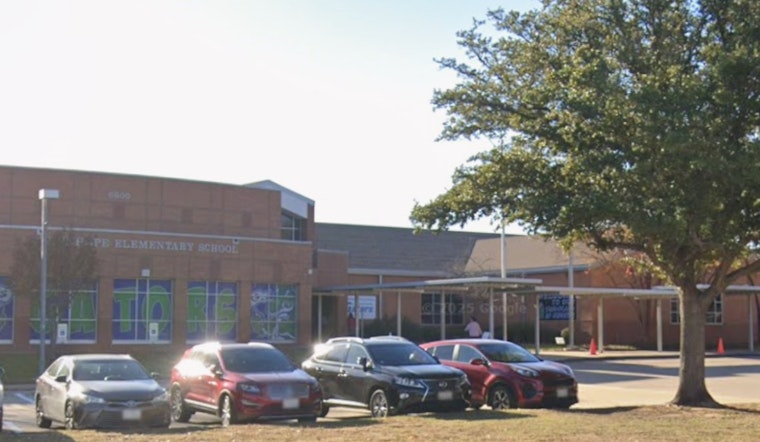
A fourth-grade student from Glenhope Elementary was bitten by a snake on a class field trip to Parr Park in Grapevine on Tuesday, abruptly cutting the outing short. Teachers and staff ended the trip immediately and brought the rest of the students back to campus. The school has not released the child’s name, the child’s condition or the species of the snake.
What happened
According to the Fort Worth Star-Telegram, Principal Alishia Ilic told families in a letter that staff contacted the student’s parents, who then took the child for medical treatment. The trip was cut short, no other students were injured and school officials have not identified the type of snake involved.
School response
Per NewsRadio 1080 KRLD, campus counselors are meeting with students to offer support following the scare. District officials are directing media questions back to the principal’s letter and say they are reviewing safety procedures for off-campus activities. Teachers and staff escorted the class back to Glenhope Elementary and notified parents as students returned.
Snake safety and Parr Park context
Parr Park is a well-used green space for school groups and families in Grapevine, and encounters with snakes tend to increase as temperatures climb. The Texas Parks & Wildlife Department notes that Texas is home to more than 100 snake species, with only about 15 considered potentially dangerous. The agency recommends staying on marked trails, watching where you step and never handling snakes. State guidance also advises against using tourniquets, cutting the bite wound or relying on folk remedies, and stresses getting prompt medical care if a bite occurs.
What to do if someone is bitten
Federal guidance recommends keeping the person calm, washing the bite area if possible and getting them to emergency care quickly. It specifically warns against applying a tourniquet or trying to suck out venom. CDC/NIOSH guidance on venomous snakebites also suggests photographing the snake from a safe distance to help clinicians identify it, while emphasizing that immediate medical attention remains the top priority.





