

























































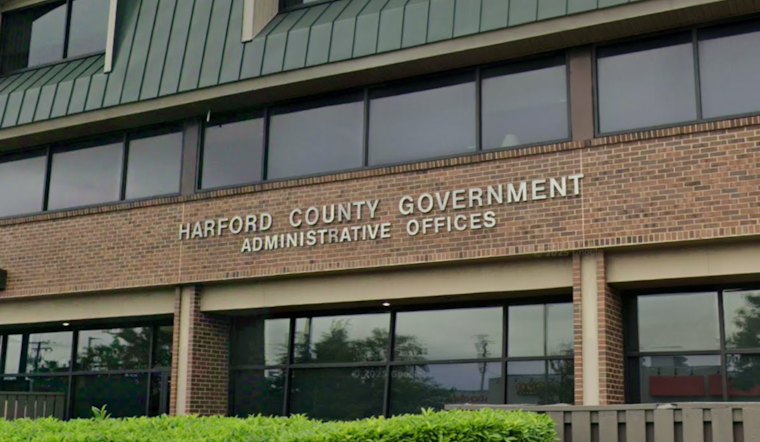
Harford County has flipped the switch on a new, state-certified laboratory at the Abingdon Water Treatment Plant to test drinking water for PFAS, the so-called “forever chemicals” that have been spooking regulators and water utilities nationwide. County officials say the in-house setup can spot contaminants at extremely low levels and shrink wait times for results from weeks to just days, tightening oversight for roughly 130,000 customers on the system.
County touts speed and safety
County Executive Bob Cassilly toured the Abingdon facility on Thursday and framed the project as both a safety upgrade and a money saver. He said the lab will deliver faster results, lower costs, and safer drinking water, according to WBAL. The station’s coverage describes Harford’s operation as Maryland’s first state-certified PFAS testing lab and identifies William Smith Jr. as the county’s superintendent of laboratories.
Lab gear and certification
Harford County meeting minutes show the Division of Water & Sewer invested in high-precision analytical equipment, including an LC-MS/MS instrument, then moved to secure PFAS accreditation under the state’s laboratory program. Task force notes indicate officials planned to begin monitoring this year and expected to submit a PFAS certification application early in the rollout, according to Harford County meeting minutes.
How it ties to federal rules
The timing is not accidental. The lab expansion lines up with the EPA’s new PFAS National Primary Drinking Water Regulation, which requires public systems to finish initial monitoring by 2027 and complete compliance steps by 2029. The final rule also sets enforceable limits, including 4 parts per trillion for PFOA and PFOS, a threshold that has pushed states and utilities to bulk up testing and lab capacity, according to the EPA.
What it means locally
On the ground, Harford’s public water utility treats about 14 million gallons a day and serves more than 130,000 residents, according to the county’s Division of Water & Sewer. County officials and local reporting indicate that routine PFAS results in Harford have generally been well below the new federal limits, and leaders told reporters the lab could be used to test schools and other community sites to speed up follow-up sampling and planning, per Harford County.
Next steps for residents
Officials say the county will keep publishing results, share lab methods with the PFAS task force, and continue routine monitoring. Residents on private wells or anyone worried about home water quality are being urged to stick with state-certified labs and certified samplers. For details on which laboratories are accredited to run PFAS methods and how certification works in Maryland, see the Maryland Department of the Environment’s laboratory certification page at MDE.





