

























































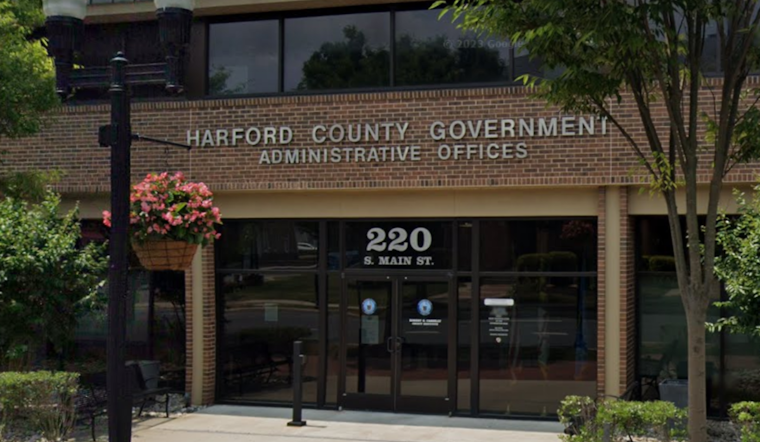
Harford County residents packed into a recent County Council meeting after word spread that a local business may be preparing to sell land to a company interested in building data centers near working farms and family homes. Councilman Jacob Bennett says he plans to introduce a 90-day moratorium that would pause any approvals while the county studies potential impacts on water supplies, noise levels, and the electric grid. County Executive Bob Cassilly has already said he does not support data centers in the county, and the brewing showdown mirrors broader regional unease over the industry’s growing footprint.
Residents Press Council As Moratorium Looms
Neighbors told reporters they are bracing for heavy construction, nonstop generator noise, and the possibility of higher utility bills if a large hyperscale facility lands in their backyard. Several residents say the proposed site sits uncomfortably close to horse farms and long-held family land. Bennett has warned that the county currently has “no guardrails in place” and argues that a short pause is needed so officials can sort out zoning questions and infrastructure demands. One resident summed up the mood with a pointed vow: “We’re not moving, we’re not leaving,” as neighbors organize to push back, as reported by CBS Baltimore.
Meeting Tonight In Bel Air
The County Council has scheduled a public presentation on data centers for 7:15 p.m. on Tuesday in the council chambers, with time set aside for residents to speak and for council members to debate Bennett’s proposed 90-day pause. The county’s online calendar lists both a public hearing and the legislative session taking place in the council chambers that evening. For event logistics and agenda details, see Harford County.
Why Neighbors Worry
Residents’ fears line up with national data on hyperscale facilities, which can be voracious users of water and electricity. The Environmental and Energy Study Institute reports that large data centers may consume as much as five million gallons of water per day, a draw that can strain local wells and wastewater systems. The International Energy Agency estimates that data centers consumed roughly 415 terawatt-hours in 2024, about 1.5% of global electricity use, often requiring major grid upgrades to keep the power flowing. That combination of high water demand and heavy power needs helps explain why Harford officials and neighbors are calling for a careful review before any rezoning or approvals move forward. See reporting from EESI and the IEA for the underlying data.
Utilities And Policy Pressure
Utilities and their parent companies are also pushing for protections for regular ratepayers. Under an initiative from Exelon, which includes BGE, the company argues that large-load customers should shoulder the cost of grid upgrades and provide financial assurances so residents are not stuck paying for stranded infrastructure. Across Maryland, city and county officials are already moving to pause or closely study major data center proposals while regulators weigh the tradeoffs, sharpening the focus on who pays for new transmission lines and how local communities absorb the impacts. For more on utility and city responses, see Exelon and coverage from The Baltimore Banner.
Legal And Regulatory Stakes
State lawmakers have been weighing their own pause on the industry. A bill that would impose a moratorium on new data center construction advanced through hearings this year in Annapolis, part of a broader push to tie large computing projects to dedicated power generation or tougher siting rules. County leaders note that, under the current local code, data centers are not permitted anywhere in Harford, which gives the council clear legal tools if it decides to put a temporary freeze in place. For details on the state legislation and local officials’ comments, see the Maryland General Assembly bill record and reporting from CBS Baltimore.
For now, both council members and residents say they want hard data, including technical studies on water use, wastewater capacity, and grid reliability, before any zoning changes are made or development deals are signed. The upcoming presentation, along with any follow-up hearings in the next few weeks, will determine whether Harford joins other Maryland jurisdictions in a formal pause or instead opens the door for developers to start seeking approvals.





