

























































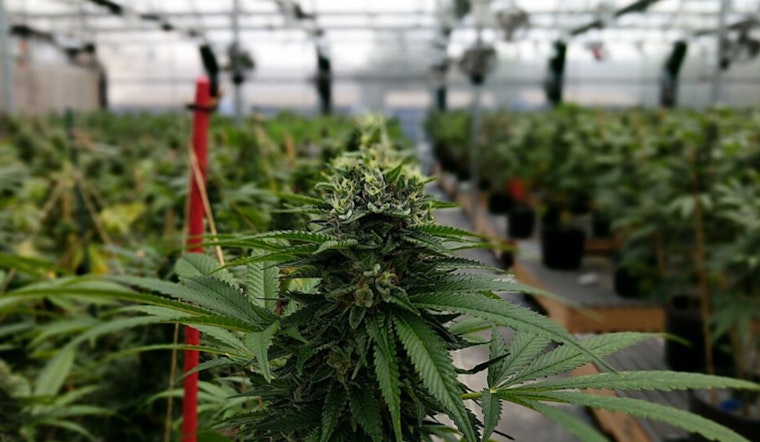
Two Minnesota cannabis growers are hauling their township into court after local officials refused to let them turn long‑running hemp greenhouses near Farmington into a licensed adult‑use cannabis operation. The owners say the move sidelined years of planning and investment, leaving greenhouses sitting empty. As one grower put it to reporters, "Damage has been done."
According to MPR News, growers Richard Brama and Josh Kasprzyk, partners behind BKR Brands and Kasprzyk Enterprises, filed suit against Eureka Township after the town board denied an interim‑use permit and related zoning approvals. The complaint, as reported by MPR, asks a judge to overturn the township's decision and award damages, arguing that officials derailed operations built around an anticipated state regulatory path. The clash is unfolding as other Minnesota communities wrestle with how far they can go in regulating cannabis businesses within their borders.
Site history and local records
Meeting packets and a public‑hearing application posted by Eureka Township show that the Farmington‑area site has been used for hemp cultivation under the Minnesota Department of Agriculture program since 2019. The owner later applied for an interim‑use permit to expand that activity into adult‑use cannabis cultivation. Local records detail months of planning‑commission discussion and a town‑board review that stretched across multiple meetings before the board ultimately voted to deny the request. The application materials, staff memos, and board packets are available in the township's public files on its website.
State law and local limits
The legal backdrop for the dispute is Minnesota's Chapter 342, which generally prevents cities and townships from outright banning licensed cannabis businesses, while still allowing what the law describes as reasonable time, place, and manner restrictions. The state's Office of Cannabis Management has issued similar guidance, telling local governments they may impose operational rules but may not flatly prohibit licensed operators from setting up shop.
That framework, and the uncertainty over how far local zoning authority can stretch under it, has already led to temporary moratoriums, ordinance rewrites, and now courtroom fights in parts of Minnesota. Judges are increasingly being asked to sort out where state cannabis policy ends and local land‑use power begins.
What the lawsuit could mean
The growers' lawsuit asks the court to both reverse Eureka Township's denial and compensate the plaintiffs for what they describe as financial losses tied to years of preparation, according to MPR News. If the case proceeds, legal observers say it could become an early test of how far townships can go in limiting cannabis operations without stepping over the line set by state law, a question that other applicants and rural boards are watching closely. Any trial‑court ruling could take months, and a final answer may not come until after one or more rounds of appeals.
Legal implications
The fight is about land‑use and regulation rather than criminal conduct. The growers argue that Eureka Township's decision conflicts with state statute and with earlier approvals, while township officials maintain they are exercising their zoning authority. How a judge interprets Chapter 342 and related land‑use laws will carry weight for cannabis businesses and local governments across Minnesota, with the statute itself and guidance from the Office of Cannabis Management expected to sit at the center of the legal arguments on both sides.





