

























































A volunteer city panel is on track to sign off on a 4.7% pay increase for most of Honolulu’s top elected and appointed officials, a move that would push several positions deeper into six‑figure territory while the city is still wrestling with storm recovery costs. The proposal would lift the mayor’s salary to roughly $236,705 and raise pay for council members, department heads and the chiefs of police and fire. The recommendation follows large increases in recent years and a 2024 charter change that limits future council raises. The Salary Commission is scheduled to take up final approval Wednesday morning.
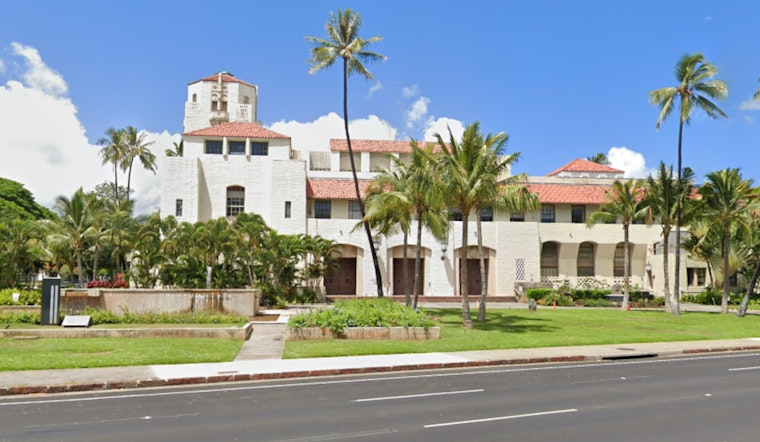
The eight‑member Salary Commission is set to meet at 9:00 a.m. Wednesday in the City Council multipurpose room at Honolulu Hale, according to the meeting agenda. Local reporting says the panel is expected to adopt a 4.7% pay hike for most covered officials, a change now before the commission, according to the Honolulu Star-Advertiser.
What the raises would look like
If the commission signs off, the plan would lift the mayor’s pay to about $236,705 and put council members at roughly $127,801 a year, with the council chair at about $137,801. Department heads would move toward about $211,477 and the managing director to roughly $226,403, while the police chief and fire chief would see proposed increases to about $261,306 and $253,014 respectively. The prosecuting attorney would be bumped to the low $215,000s and the city medical examiner’s salary would be adjusted into the mid‑$400,000s under the commission’s schedule, as detailed by Honolulu Civil Beat.
Why critics say the timing is off
Opponents argue the hike lands at a rough moment, as Honolulu is still absorbing storm costs and other budget pressures. Two Kona‑low storms in March inflicted damage the city estimates between $50 million and $100 million, and the city secured a federal disaster declaration earlier in April, the Honolulu Star-Advertiser reports. Government watchdog Natalie Iwasa told Honolulu Civil Beat she does not think going above the inflation rate is justified, echoing broader public unease after big raises in recent years.
How the process works
The Salary Commission adopts findings of fact and formal resolutions that are forwarded to the mayor and City Council. Under the charter, those resolutions take effect on the first day of the fiscal year following adoption unless they are rejected within 60 days. City Council records and charter language explain that the council may reject a resolution or portions of it within that period, and that adopted schedules become effective prospectively on the first day of the subsequent fiscal year, according to City Council records. The 2024 charter changes and the commission’s recent presentations frame how those mechanics apply to the current proposal.
What to watch
The commission could formally adopt the 4.7% schedule Wednesday; if it does, most new rates would take effect with the next fiscal year. Members of the public may testify in person or remotely, and the meeting agenda lists registration and Zoom details and explains how to submit written testimony to the Office of Council Services. After any adoption, the conversation will shift to political and budget tradeoffs at Honolulu Hale as residents and elected officials weigh pay parity for top leaders against recovery needs and other spending priorities.





