

























































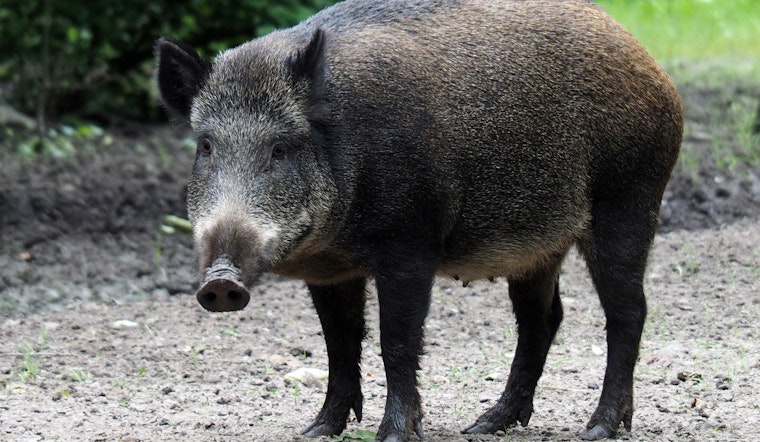
Hunters in Hawaii could soon have a new tool in their packs: a portable test kit that tells them on the spot whether a wild pig is carrying brucellosis before they start breaking it down for the freezer or the imu.
A research team led by assistant biology professor Jessica Jacob at Hawaii Pacific University is working on a field kit that would give hunters a rapid read on whether a feral pig is infected with the bacteria. The goal is straightforward but ambitious: help hunters handle and cook meat more safely while collecting enough samples to map how the disease is moving across the islands.
Jacob and her team are building what they say would be the first test kit designed specifically for Hawaii hunters to detect brucellosis, according to Hawaii News Now. She told the outlet that the bacteria typically causes flu-like illness and can lead to miscarriages in pregnant people, and that hunters most often get sick when infected fluids enter cuts during butchering or when they eat undercooked meat.
Jacob is an assistant professor of biology whose work centers on infectious and zoonotic diseases and how to blunt their spread, according to Hawaii Pacific University. Her background includes a Ph.D. in veterinary medical sciences and postdoctoral research on disease control, experience that shapes her lab’s focus on tools that show up in real communities, not just academic journals.
State officials have been tracking brucellosis in Hawaii’s feral swine for years. Infection rates on most major islands fall in roughly the 10 to 25 percent range, though the picture on the ground can look very different from valley to valley, according to the State of Hawaii Animal Industry Division. A recent sero-molecular survey of feral swine in Hawaiʻi found sharp local differences, with smoothed rates in some watersheds far above the statewide averages, according to a sero-molecular study.
Brucellosis is a zoonotic bacterial disease that can jump from animals to people and usually shows up as fever, fatigue and other flu-like symptoms. It can also cause longer term complications. As outlined by the CDC, people who handle animal tissues, including hunters, are at higher risk and are urged to seek medical care if they develop symptoms after exposure.
How The Field Kit Would Work
Jacob told Hawaii News Now that, if funding comes through, her team hopes to start getting early kits into hunters’ hands by the end of the year. Those initial packages would include some protective gear and bags so hunters can donate pig organs for lab analysis.
The rapid diagnostic kits themselves are expected to follow on a slightly longer timeline. Jacob and her colleagues estimate that in-field testing tools could be ready within the next two years. The idea is for hunters to be able to run a quick test in the field, get a yes-or-no result on brucellosis risk and, if they choose, send in samples that build a statewide picture of where the bacteria is concentrated.
In other words, every pig checked could do double duty: keeping the person who harvested it safer and feeding data into public health planning.
What Hunters Should Do Now
Until those kits arrive, the advice is old-school but effective. Current guidance recommends wearing gloves and eye protection while butchering wild hogs, steering clear of contact between raw meat and any open wounds and cooking pork thoroughly to kill bacteria. The State of Hawaii Animal Industry Division and the CDC both provide detailed recommendations and urge people to seek medical attention if they develop persistent symptoms after handling or eating wild pork.
Feral pig control is already a regular part of life in the islands, with active hunting seasons and state-supported efforts to limit damage to farms and native ecosystems. Local reporting highlighted a special feral pig hunt on Hawaiʻi Island focused on population control. If Jacob’s test kits catch on, they could slide neatly into those existing programs by giving hunters a way to screen animals and, at the same time, contribute research samples.
Jacob describes the project as science built to serve the community, not the other way around. The university says her team is actively looking for partners and funding to move from prototypes to field-ready kits in hunters’ packs. For more on Jacob’s research and her lab’s projects, visit Hawaii Pacific University.





