

























































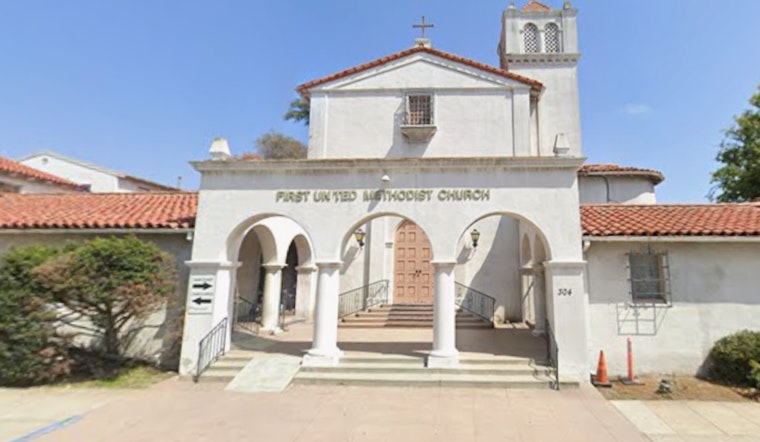
In a city where rents keep creeping up around shiny new arenas and entertainment complexes, a long-standing Inglewood church is quietly trying a different kind of redevelopment: turning its own underused buildings into homes.
The First United Methodist Church of Inglewood is converting three vacant buildings behind its chapel, formerly a school, into 60 studio apartments reserved for low-income renters, according to LA2050. The project is aimed at seniors and working families, with church and city leaders framing it as a way to reinvest in longtime neighbors as the surrounding area grows more expensive.
In a video report, CBS News Los Angeles notes that the congregation is leaning on state legislation designed to cut permitting red tape for faith-based organizations that want to build affordable housing on their land. Church leaders describe the plan as a strategy to keep the property under community control while creating stable housing options for people who might otherwise be priced out.
State Law And The YIGBY Movement
The move is part of LA Voice’s Faith in Housing program, which has been guiding congregations through site analysis, feasibility work and developer selection. Advocates say it is also a sign of how state policy is reshaping what churches can do with their land.
Supporters credit Senate Bill 4, the Affordable Housing on Faith and Higher Education Lands Act, with making projects like this pencil out by allowing by-right approvals for qualifying, 100-percent-affordable developments. As Shelterforce explains, SB 4 strips away many discretionary local reviews and has pushed intermediary groups to step in and match congregations with experienced developers and funders who can navigate the financing and design maze.
What It Costs And Who It Helps
Organizers say the converted school buildings will be reserved for low-income households and will include labor commitments intended to benefit local workers. Not a small lift: LA Sentinel reports the development is expected to cost nearly $50 million, with estimates putting construction completion in the spring of 2028.
Project planning has also included protections for cultural resources. "I think it's a great precedent that they're setting," tribal historian Joey Williams said, praising the church's decision to require tribal monitoring to protect Gabrielino-Tongva cultural resources, according to LA Sentinel. Church leaders say cultural-resources work and tribal monitoring were built into pre-construction planning.
Why This Is Happening Now
Organizers say the timing reflects years of advocacy finally intersecting with new technical support aimed squarely at faith-based development. LA2050 and partners like LA Voice have been running cohorts, conducting feasibility studies and offering design templates that help congregations move from “what if” conversations to shovel-ready projects.
What Comes Next
Even with zoning and permitting barriers lowered, funding and predevelopment costs remain the biggest hurdles, advocates caution. As Shelterforce notes, many churches still need intermediaries or grant support to cover early-stage work and to structure deals that preserve community control while still attracting tax-credit financing.
In Inglewood, the church’s project is shaping up as a closely watched test case: can faith-based development really scale up permanently affordable housing near a rapidly growing entertainment corridor? City officials and the congregation say they plan to track job commitments, apprenticeship outcomes and resident selection to see whether the benefits land where they say they should, with existing neighbors first in line.





