

























































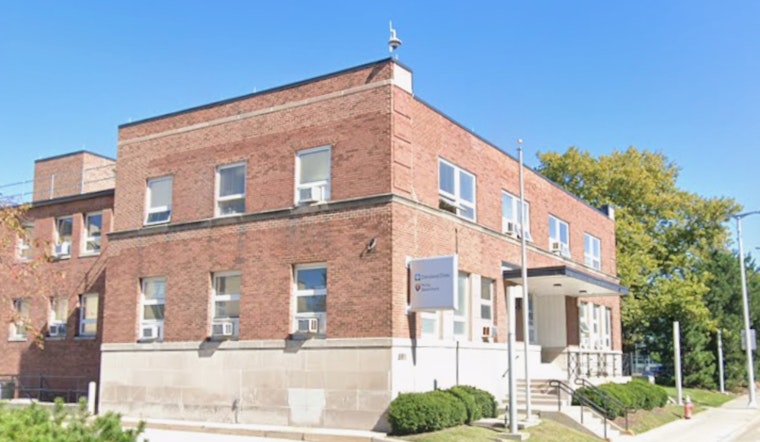
Three of Cleveland's biggest hospital systems have their own internal police review boards, but for residents who file complaints the process can feel like a black box. The panels hear misconduct claims about hospital officers, yet decisions are typically made in private and hospitals share little information about how to file a complaint or what happens afterward. That lack of visible accountability has left complainants, community leaders and some elected officials wondering how much real oversight these boards actually provide.
Review boards exist, but the public rarely sees them work
Cleveland Clinic, University Hospitals and MetroHealth all run review boards that take up complaints about their police departments. Those panels meet behind closed doors and are staffed by hospital employees instead of independent civilians.
Signal Cleveland found that none of the hospitals clearly lays out how to file civilian review board complaints on their websites. Public records obtained by the outlet show the Clinic’s board logged about 25 complaints in the last five years, University Hospitals heard 26 in the last three years and MetroHealth 12 in the last two years, with about 14% of complaints sustained, substantiated or partially substantiated.
The reporting also notes that at least one complainant has taken a hospital arrest to civil court and that some people only learned a board had ruled on their case when reporters called to ask about the outcome.
Complainants say the follow-up never came
Several people whose complaints went before hospital panels told reporters they never received clear follow-up about what the boards decided. Marquis Wise filed a complaint after an encounter at Cleveland Clinic in September 2023, a case the clinic’s board later ruled "unfounded." He told Signal Cleveland, "They said they'd get back with me. And I never heard nothing back from them."
Cleveland Clinic officials told the outlet they had tried to reach Wise using the phone numbers they had on file. They also said some reviews involve confidential patient information, which hospitals say limits how much they can disclose publicly about specific cases. For complainants on the outside looking in, that privacy shield can feel a lot like silence.
City rules versus private hospital practices
The requirement that hospital police departments create civilian review processes followed years of scrutiny over policing in Cleveland’s medical corridor. In 2020, ProPublica reported that private hospital police disproportionately charged Black residents and that subsequent agreements with the city led hospitals to set up review panels.
The contrast with the city’s own system is stark. The City of Cleveland’s civilian police review board holds public hearings and is required to "promptly" notify complainants about the status and results of their cases, according to the City of Cleveland. Advocates say that difference, public hearings and routine notifications versus hospital-run, closed-door proceedings, explains why residents and some elected officials are now pressing for clearer rules and community seats on hospital panels.
Advocates want clear rules, public reporting and community seats
Oversight groups and local advocates argue that hospital review panels would gain credibility if they spelled out step-by-step complaint procedures, brought community members to the table and published outcomes. The National Association for Civilian Oversight of Law Enforcement recommends transparency, public reporting and community representation as core elements of effective oversight.
Some hospitals already route concerns through patient-relations or ombuds offices that could serve as intake points for police complaints. MetroHealth's patient-relations page, for example, directs visitors to an online submission form and promises written resolutions. Advocates say the larger systems should adopt similar steps for police-related complaints too.
Community leaders and elected officials say the fixes they want are hardly radical: post clear instructions online for filing complaints, notify complainants in writing about board decisions and add nonhospital community members to the panels. In the coming months, hospitals and city officials are likely to face growing pressure to show whether these boards can function as more than internal checks. For now, the gap between hospital-run review systems and public civilian oversight remains very much alive in Cleveland’s broader push to make policing more transparent.




