

























































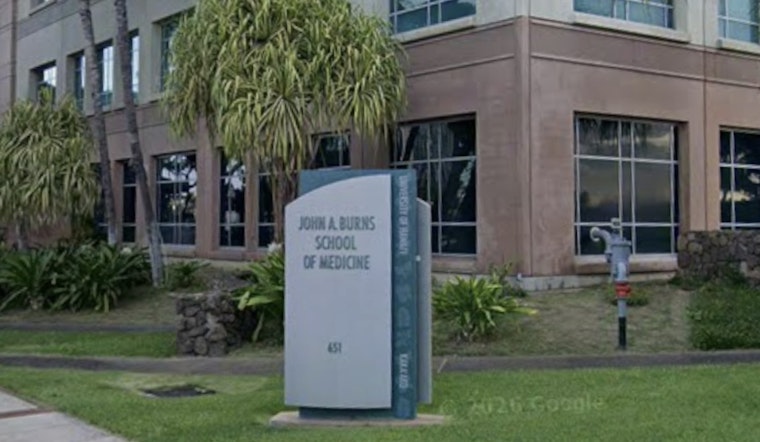
The training pipeline that is supposed to turn University of Hawaiʻi medical graduates into practicing local doctors is clogging up, and the fallout is showing up in clinics from Hilo to Hanalei. A growing bottleneck in residency training at the university’s medical school is pushing island-trained doctors into mainland residencies, thinning specialist ranks at home and deepening shortages on the neighbor islands. Graduates and faculty say many students have little choice but to leave to train in specialties that are not offered or fully supported in Hawaiʻi. Some aim to return after fellowship, but most do not, which keeps specialized care concentrated in Honolulu and lengthens wait times for patients statewide.
On Match Day, March 20, 2026, 78 members of JABSOM’s Class of 2026 ripped open their envelopes to see where they are headed next. Thirty‑three percent of graduates matched to residency programs in Hawaiʻi and 56 percent matched into primary care fields, according to University of Hawaiʻi News. That mix shows some progress from earlier years, but it still sends most graduates to mainland programs, making the first years after medical school a make‑or‑break moment for whether they ultimately practice in Hawaiʻi.
Why graduates go to the mainland
Faculty and program directors say the problem is not just a lack of spots. Limited faculty time, insufficient patient volume and a narrower mix of cases make it hard to sustain many specialty residencies locally, and rising costs put the brakes on new program growth, according to Honolulu Star‑Advertiser. Susan Steinemann, who oversees residency and fellowship programs at JABSOM, told the paper the situation “is not solely a residency bottleneck.” Those structural constraints help explain why so many graduates head off‑island early in their careers for training they simply cannot get here.
New programs aim to keep trainees home
To counter the outflow, JABSOM and partner hospitals have been slowly expanding the state’s training pipeline. One of the marquee efforts is a Kauaʻi Family Medicine Residency that will base residents on Kauaʻi for their second and third years, according to Kauaʻi Now. The Hawaii Residency Programs network, which coordinates graduate medical education across UH‑affiliated hospitals, lists core residencies and fellowships across the system and reports roughly 17 ACGME‑accredited programs and more than 220 trainees statewide, Hawaii Residency Programs notes. Program leaders say that growth is real but incremental, because building sustainable faculty lines and enough clinical volume for trainees takes time.
Loan relief is only part of the answer
The state has tried to sweeten the deal with loan forgiveness. The HELP loan‑repayment initiative offers awards of up to $50,000 a year for clinicians who commit to serve in Hawaiʻi, but demand has outstripped available funding and created a backlog of applicants, according to reporting by Spectrum Local News and the Honolulu Star‑Advertiser. Officials say loan relief clearly helps with recruitment, but it does not conjure up the teaching faculty or the diverse caseload needed to run additional specialty residencies. That leaves policymakers juggling dollars, accreditation rules and hospital partnerships as they try to scale up training capacity.
Neighbor islands feel the squeeze
For patients outside Honolulu, the stakes are obvious. Specialized services remain heavily concentrated in the city, which forces many neighbor‑island residents to travel for care and leaves rural hospitals with far fewer specialists. Reporting by Civil Beat and state workforce assessments has documented large gaps, especially on Maui and other smaller islands, gaps that the state’s modest training expansions are only beginning to chip away at.
What JABSOM says it’s doing
JABSOM leaders say keeping students and their training rooted in the islands is at the heart of the school’s mission. “Primary care is the backbone of a healthy community,” Dean Sam Shomaker said on Match Day, and the school points to recent program growth as evidence it is trying to bend the pipeline toward serving local needs, according to University of Hawaiʻi News.
Expanding graduate medical education slots, funding faculty positions and strengthening clinical partnerships remain critical if Hawaiʻi wants more of its homegrown doctors to stay. Until those pieces are scaled up, many residents will continue leaving for specialty training on the mainland, and the islands will keep feeling the strain.





