

























































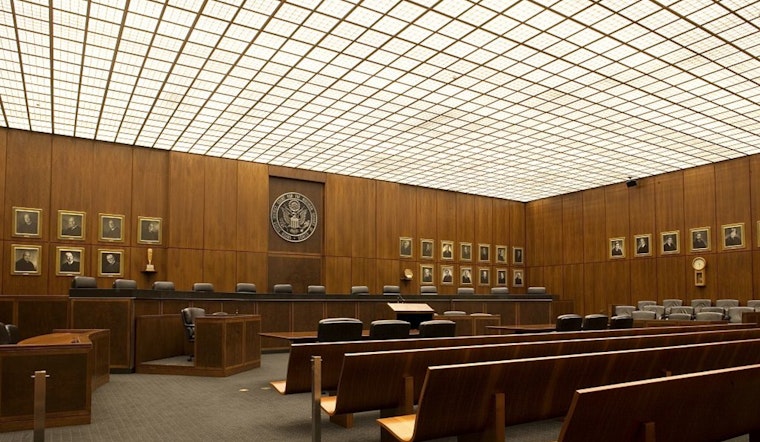
A Chicago man is facing a jury in Hammond, Indiana, in connection with the 2019 killing of 25-year-old Tyran Bolling. Lamont “Ski” Turentine has pleaded not guilty, and prosecutors told jurors the proceedings could stretch to about two weeks. Bolling was found shot in front of a home in the 4400 block of Henry Avenue with gunshot wounds to his jaw, chest, and leg.
Prosecutors Lay Out Jealousy Theory
In opening statements, prosecutors told jurors the shooting grew out of a dispute involving Turentine and his girlfriend, Emani “Money” Edwards. They said Edwards began flirting with Bolling, that Turentine struck Edwards and took her phone when she returned to the car, and that he later messaged Bolling while pretending to be her. Prosecutors said those messages, along with witness accounts, form the backbone of their case. Deputy Prosecutor Tara Villarreal outlined that theory for jurors, according to the Chicago Tribune.
Victim And Memorial Records
Public records and online memorial listings confirm that Bolling died on Dec. 13, 2019, and list him as 25 years old at the time. Those entries document the victim’s identity along with the date and location of the shooting as recorded after the incident, as noted by Gun Memorial.
Flight, Arrests And Defense
Prosecutors say Turentine and Edwards left Indiana after the shooting and went first to Arkansas, where they were arrested about two years later. On the witness stand, Danica Luckey testified that she looked outside and saw Bolling being shot. Defense attorney Lakeisha Murdaugh reminded jurors that opening statements are not evidence and emphasized that Turentine remains presumed innocent. Those details were reported from the courtroom by the Chicago Tribune.
What To Watch
Jurors are expected to weigh witness testimony, cellphone messages that prosecutors say connect people to the scene, and any other evidence introduced through the course of the trial. The pace of testimony, along with rulings on motions, will determine how quickly the case moves toward a verdict and any potential sentencing hearing.





