

























































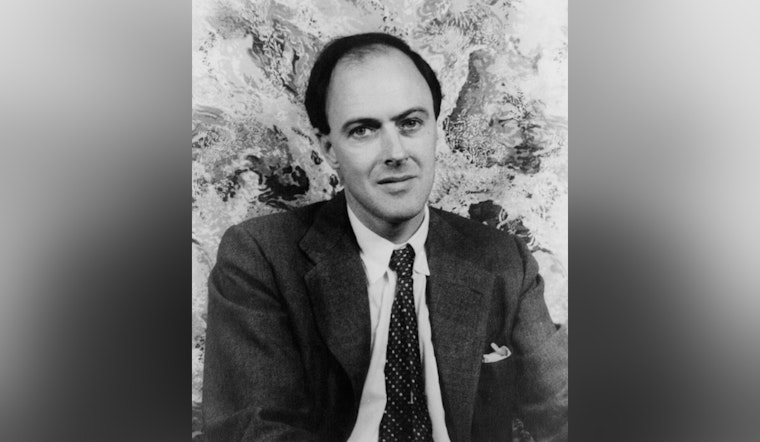
On a brisk March night at the Music Box Theatre, John Lithgow sat alone onstage and asked Manhattan to wrestle with one of its favorite children's authors. Giant, the Olivier-winning play now on Broadway, places Roald Dahl's mischief and imaginative gifts side by side with the ugly public statements that have clouded his legacy. The production lands on a blunt question: what are we supposed to do with stories we love when the storyteller's record wounds others?
Broadway transfer and the staging
Written by Mark Rosenblatt and directed by Sir Nicholas Hytner, Giant has transferred from London to the Music Box, where it began previews in mid March before opening later that month, according to Playbill. The play compresses a fraught moment in Dahl's career into a single afternoon and uses a small, tightly choreographed cast to dramatize the fallout. Lithgow leads as Dahl, and the script toggles between charm and confrontation so the moral questions never drift far from center stage.
What Dahl actually said and the fallout
Dahl's recorded remarks from the 1980s and later, including lines in which he admitted he had "become antisemitic," have long complicated how readers and institutions approach his books. Reporting traces those comments to a 1983 Literary Review piece and later interviews, and notes the repeated public outrage they have sparked. In 2020, the Dahl family and the Roald Dahl Story Company issued an apology for the "lasting and understandable hurt" caused by those statements, as documented by The Guardian.
Publishing reckoning: edits and the classic collection
The debate over Dahl's legacy jumped straight to the bookstore shelves in 2023, when Puffin announced revised young-reader editions that softened or removed certain words and phrasing, then followed by saying it would also publish a Roald Dahl Classic Collection so readers could choose the original texts. Puffin framed the decision as giving readers options while trying to keep Dahl's stories available, per Puffin/Penguin. That tug of war between preservation and revision sits quietly under much of Giant, even when no one onstage names it outright.
How the play puts the author's words onstage
Rosenblatt's script threads lines from Dahl's public statements into a fictionalized "crisis meeting" between his British publisher, an American sales director and Dahl himself, letting the audience watch argument, flattery and damage control unfold in real time. The result is neither hagiography nor straightforward condemnation. Instead, it functions as a stress test of how institutions and friends react when an artist's reputation cracks. For a closer look at how the play mixes fact and invention, see reporting in The New York Times.
Reviews, reactions and the moral tug
Critics have zeroed in on Lithgow's central turn, calling it by turns magnetic and disturbing as he pulls the audience into Dahl's mix of mercurial charm and vindictiveness. Time Out noted that the production "hits the current historical moment" and frames how debates about Israel, antisemitism and free expression continue to roil public life. Audience reactions have followed the same divide: some theatergoers praise the show's nuance, while others argue it leaves too many wounds unexamined.
Awards, context and why New York cares
Giant's Broadway arrival follows a acclaimed West End run in which Lithgow won a Laurence Olivier Award for the role, an accolade noted by AP. That pedigree helps explain why producers brought the piece across the Atlantic: it is compact, star-led and unapologetically provocative. Whether the play persuades viewers or simply forces them to sit with discomfort, it has reopened a conversation about how cultural memory should deal with an artist whose work and words collide.
What to know before you go
Giant is playing at the Music Box Theatre in Midtown Manhattan through late June, with performance dates and tickets listed on the theater's site. The production offers a disciplined, theatrical way to encounter Dahl's contradictions, not to settle them but to expose their costs in plain daylight. For New Yorkers used to seeing their favorite stories on stage and screen, Giant is a compact reminder that beloved books sometimes arrive wrapped in complicated histories.





