

























































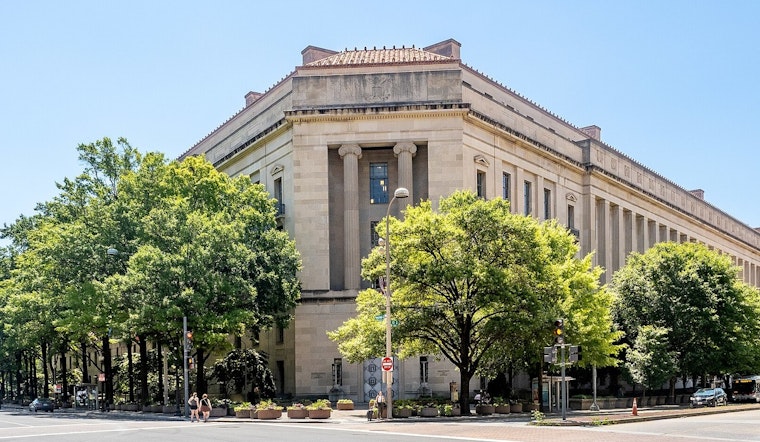
In a stunning reversal of course, the Justice Department on Tuesday, April 14, 2026, asked a federal appeals court in Washington to vacate the seditious-conspiracy convictions of leaders of the Proud Boys and the Oath Keepers. If the D.C. Circuit signs off, prosecutors say the move would erase the criminal judgments tied to the Jan. 6, 2021, attack and let the government permanently dismiss the related indictments. It is a dramatic shift from earlier prosecutions that produced rare seditious-conspiracy verdicts and lengthy prison terms.
In filings with the U.S. Court of Appeals for the District of Columbia Circuit, prosecutors asked judges to set aside convictions for a number of Jan. 6 defendants and singled out Oath Keepers founder Stewart Rhodes among the leaders at issue. The motion seeks to abandon convictions of Oath Keepers members Kelly Meggs, Kenneth Harrelson and Jessica Watkins, and Proud Boys members Ethan Nordean, Joseph Biggs, Zachary Rehl and Dominic Pezzola, according to News4JAX.
What prosecutors told the court
Prosecutors framed the request as part of a broader pattern in how the government unwinds cases it no longer wants to pursue.
“The government’s motion to vacate in this case is consistent with its practice of moving the Supreme Court to vacate convictions in cases where the government has decided in its prosecutorial discretion that dismissal of a criminal case is in the interests of justice,” they wrote in the filing, as described by News4JAX. The brief was signed by a U.S. attorney handling the appeals paperwork, the outlet reported.
Convictions and sentences
Federal juries in Washington had previously convicted leaders of both the Proud Boys and the Oath Keepers of plotting to stop the peaceful transfer of power, and judges handed down multi-year sentences in separate trials. The Justice Department and the U.S. Attorney’s Office in D.C. issued detailed press releases at the time, laying out the charges and evidence, including Rhodes’ 18-year sentence in the Oath Keepers case.
For background on the Proud Boys trial and verdicts, see the announcement from the Department of Justice. Details on the Oath Keepers verdict and sentencing are summarized by the U.S. Attorney’s Office, D.C..
Why this matters
The motion comes on the heels of sweeping clemency that freed or shortened sentences for many Jan. 6 defendants on Jan. 20, 2025. Vacating the convictions would go further by wiping the judgments from the record altogether, not just cutting time off the back end.
Counterterrorism experts previously warned that the pardons and commutations could embolden fringe groups and complicate future efforts to curb political violence, according to The Washington Post. Contemporary coverage also examined the breadth of the Jan. 20, 2025, clemency proclamation; PolitiFact reviewed the document and its reach.
What happens next
The D.C. Circuit will now decide whether the government’s explanation justifies wiping the judgments. The court could grant or deny the motions outright, or craft a split decision that grants relief for some defendants but not others and set deadlines for additional briefing.
If a judgment is vacated, prosecutors say they would then seek dismissal of the underlying indictment. Defense attorneys and representatives of victims are expected to weigh in, and any especially controversial ruling could be appealed further. However the court rules, the outcome is likely to significantly reshape the legal aftermath of Jan. 6 and reignite debate over how justice should look when politics and prosecution collide.


_(53840386529).jpg)