

























































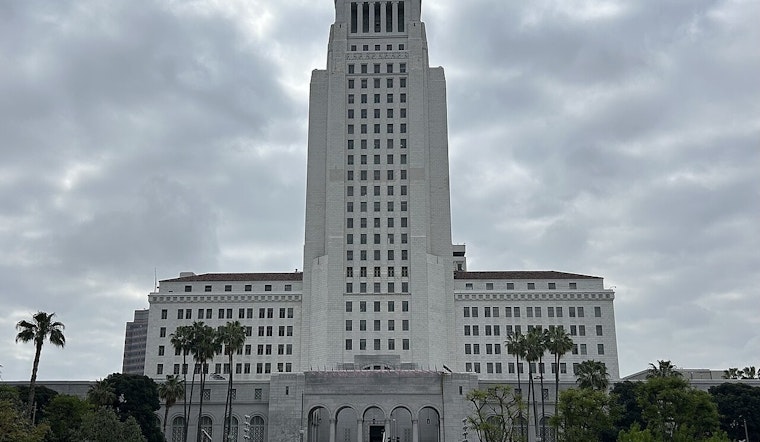
On April 15, 2026, the Los Angeles City Council voted unanimously to send a certified ballot initiative to the City Administrative Officer for an economic study, instead of rushing it straight to voters. The proposal would repeal the city’s business gross receipts tax, a major revenue source that helps fund police, fire and public works. Council members said they wanted a formal fiscal accounting before deciding whether to adopt the measure, call a costly special election, or put the question on a future ballot.
Petition certified and signature count
The petition was certified as sufficient after the county completed its signature verification. Filing records show about 79,317 signatures were submitted for the effort. That certification triggered the City Charter process and gave the Council a short window to act, according to the Office of the City Clerk.
How deep a cut would it be?
Proponents say repealing the gross receipts tax would deliver immediate relief to businesses and cited a roughly $742 million annual reduction in the city’s tax burden when they announced the petition drive, per the American Hotel & Lodging Association. The city’s budget office places business tax receipts in the same ballpark and warns that losing that stream could imperil core services such as police, fire response and street repairs, according to the City Administrative Officer’s mid-year report.
Council referral, options and cost
Council members voted to refer the certified petition to the CAO for an economic analysis rather than immediately placing it on the ballot, as reported by the Los Angeles Daily News. Under the charter the Council may adopt the ordinance as written, order a standalone special election, or submit the measure to the regular November 3, 2026 general election. The clerk’s office estimates a standalone citywide special election would cost about $31.8 million. The CAO’s fiscal analysis will be central to the Council’s decision about which path to take.
Who’s pushing and who’s pushing back
The drive is backed by a business and hospitality coalition that says the repeal will lower costs for employers and consumers and help retain jobs. Opponents, including Council Budget Chair Katy Yaroslavsky, say the initiative risks hollowing out city services. Yaroslavsky warned that removing “one of our largest revenue sources” without a replacement would have immediate consequences, as reported by the Los Angeles Times.
What happens next
The CAO will produce the requested economic study and return it to the Council. That analysis is expected to inform the city’s next step, whether that is to adopt the repeal, place it on the November ballot, or pursue a different path. If the Council opts for the regular November election, it would avoid the multi-million-dollar price tag of a separate special election, leaving voters to decide the measure’s fate later this year.





.jpg)