

























































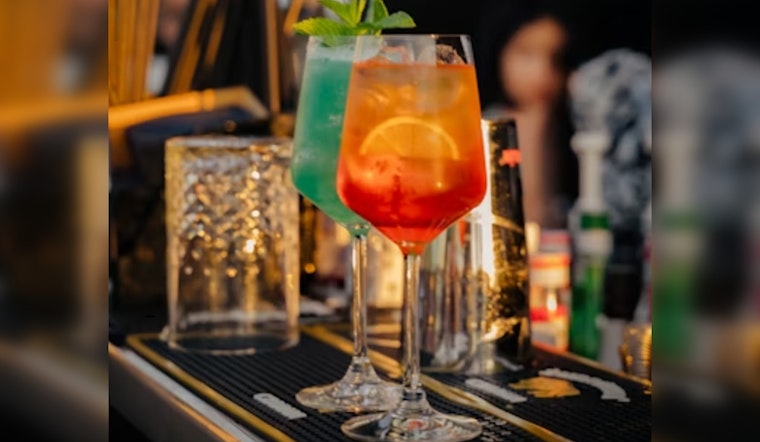
Los Angeles has become a kind of test kitchen for the sober-curious crowd, and also a cautionary tale about how hype does not always translate into a healthy bottom line. Since 2024, several booze-free venues that opened to big buzz have quietly shut their doors or pivoted to retail, even as shoppers keep tossing more non-alcoholic bottles into their grocery carts. Owners and industry observers say the real issue is not whether people want NA drinks, but where and how they want to drink them.
As reported by LAist, at least three Los Angeles venues devoted to non-alcoholic cocktails have closed or shifted to online retail since the start of Dry January 2024. That reporting highlighted the shutdown of two L.A. outposts of The New Bar, while Eater LA documented Chinatown’s Stay Zero Proof, which opened in January 2024 and closed by September 2024.
The paradox: fewer drinkers, booming bottles
National numbers suggest Americans are drinking less overall, even as the no-and-low category continues to expand at retail. Gallup found that just 54% of U.S. adults now report drinking alcohol, close to a record low. Industry trackers are seeing fast growth for alcohol-free spirits and ready-to-drink options on store shelves, with The Spirits Business citing IWSR data that alcohol-free spirit volumes jumped roughly 29% in early 2024.
Why the on-premise model is tricky
Operators say the moderation mindset has scrambled the math of a night out. Guests are looking for better NA choices, but many prefer those drinks alongside traditional cocktails at their usual bar instead of in a standalone sober lounge. “It did not bring in the sober crowd,” Stay co-founder Stacey Mann told LAist, explaining why her Chinatown spot struggled to gain traction. Owners also point to price sensitivity, a relatively small pool of truly sober regulars, and the constant need for events or programming to keep people coming back.
How surviving spots are adapting
Surviving venues are widening their pitch, focusing on food, regular events, and social experiences that happen to be alcohol-free. Santa Monica kava bar Kavahana builds its menu around kava nectar and leans on comedy and music nights to cultivate a steady neighborhood crowd. Hybrid concepts that pour both alcohol and polished zero-proof cocktails, such as Force of Nature on Abbot Kinney, report steady traffic by giving guests options without making sobriety the only selling point.
A real market, but different economics
Industry leaders say the commercial opportunity for no-and-low products is real, but it just shows up more clearly in retail aisles and big-brand innovation than in single-concept sober bars. Diageo and other trade observers have flagged “zebra striping,” where customers switch between alcoholic and non-alcoholic drinks during the same outing, a pattern that can be great for brands but complicates margins for NA-only venues, according to The Spirits Business. For would-be owners, that often means building multiple revenue streams, such as food, ticketed events, or retail, instead of relying solely on drink sales.
The sober-curious wave has clearly reshaped how Angelenos think about drinking, but the recent run of closures is a blunt reminder that enthusiasm alone does not cover the rent. The bars that are hanging on are treating NA cocktails as one ingredient in a broader experience, not the entire recipe for the business.





