

























































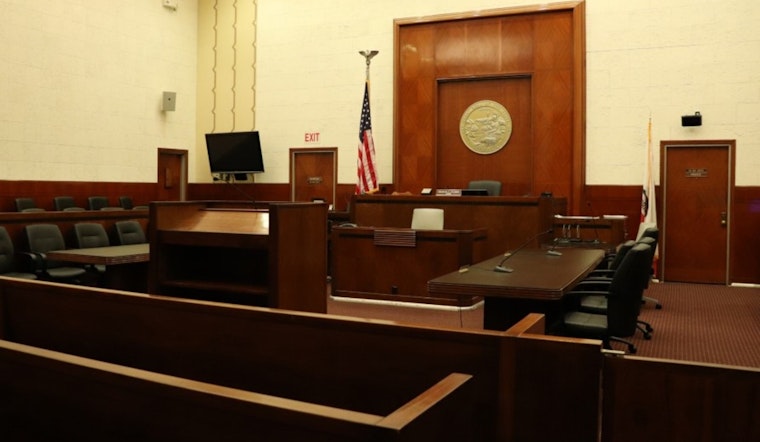
Los Angeles landlords walked out of court with a mixed bag last week after a California appeals panel tossed one of the city’s renter-protection measures but left another firmly in place. Judges struck down the city’s rent-increase-triggered relocation assistance for units that are exempt from local rent control, while upholding a rule that forces landlords to hit a minimum unpaid-rent threshold before they can file nonpayment eviction cases. The ruling immediately tweaks the ground rules in the long-running tug-of-war between renter protections and fast-track evictions.
Appeals court splits the rules
In an opinion filed April 15, the three-judge panel found that Los Angeles’ Relocation Assistance Ordinance conflicts with the Costa-Hawkins Rental Housing Act, concluding that requiring payments when tenants voluntarily move out after a lawful rent hike "frustrates the purpose" of the state law, according to Leagle. The decision wipes out the city’s obligation to provide relocation money when owners of Costa-Hawkins-exempt units raise rents to market levels, and tenants decide it is time to go.
The judges were less sympathetic to landlords on the second measure. They left in place Los Angeles’ Eviction Threshold Ordinance, which requires landlords to wait until unpaid rent reaches at least one month of fair-market rent before filing for eviction based on nonpayment - a rule the panel said governs the substance of eviction grounds rather than just the timing of a lawsuit, as reported by The Real Deal. In practical terms, tenants who owe smaller amounts of back rent will generally have a bit more breathing room before facing a nonpayment case in court.
How Pasadena shaped the outcome
The Los Angeles decision leaned heavily on recent appellate precedent from Pasadena. In December 2025, another panel struck down a similar rent-triggered relocation mandate as preempted by Costa-Hawkins, according to a published opinion on Justia. The California Supreme Court then declined to review the Pasadena case on April 1, 2026, leaving the appellate ruling in place as persuasive authority, per the California Apartment Association.
What it means on the ground
Tenant advocates had championed relocation payments as a buffer against displacement for renters hit with steep rent increases. Landlord organizations countered that the fees were a backdoor penalty on legally allowed rent setting. The Apartment Association of Greater Los Angeles dubbed the ruling a "partial victory" and argued that aggressive regulations have exposed many small property owners to legal landmines and pushed some out of the rental business altogether, according to a press release posted on Business Wire.
Next steps and legal fallout
The Apartment Association of Greater Los Angeles says it is weighing further appeals, and industry observers note that other parties could also seek review from higher courts as the broader litigation grinds on, a possibility highlighted by coverage in The Real Deal. The appeals panel also pointed out that its opinion has not been certified for publication, a technical status that may limit how widely the ruling can be cited while everyone decides whether to press for another round of review, according to court documents available on Leagle.
For now, owners of Costa-Hawkins-exempt units are no longer on the hook for relocation checks triggered solely by rent increases, but tenants still keep a city-level cushion before many nonpayment evictions can get off the ground. Expect a fresh wave of legal maneuvering as both tenant advocates and landlord groups test how far cities can push renter protections without running headfirst into state law.





