

























































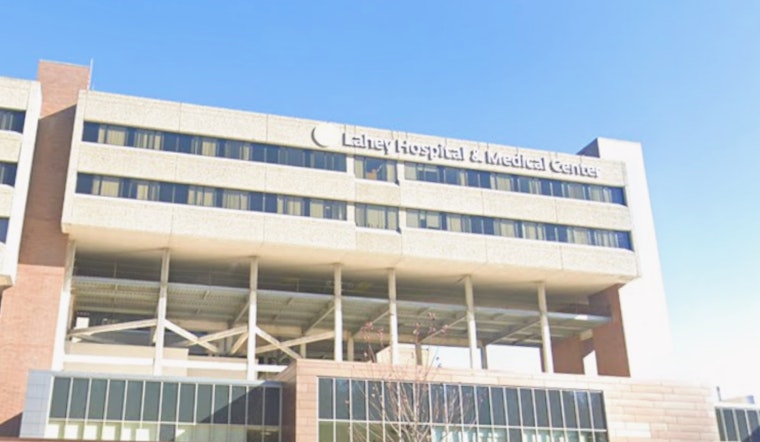
At Lahey Hospital & Medical Center, more faulty heart valves are getting fixed without a single chest being cracked open. Instead, physicians are leaning on catheter-based repairs and replacements that can cut recovery time by days. The growing menu of transcatheter options, including TAVR along with newer mitral and tricuspid devices, is reshaping which patients actually need full open-heart surgery. A recent case using a catheter-based tricuspid valve replacement highlighted how the method can spare frail or high-risk patients an open procedure.
Lahey's structural heart program now turns out dozens of these procedures each month, with roughly 25 to 35 TAVR cases alone and plans to roll out two FDA-approved transcatheter mitral valve options this year. As reported by the Boston Business Journal, the hospital also described a patient who received a transcatheter tricuspid valve replacement through a thin tube instead of open surgery. In that coverage, a program physician summed up how far the field has come, saying that TAVR "is a well-established procedure now."
How the catheter approach works
In a catheter-based procedure, clinicians thread a new valve into place through a blood vessel, often entering through the groin, rather than opening the chest. That cuts surgical trauma and tends to shorten hospital stays. Procedure times usually run about one to two hours, and many patients can leave the hospital within a day or two. Those practical advantages are a key reason clinicians at major centers now describe TAVR as a routine option for eligible patients, according to the Mayo Clinic.
Lahey's program and history
Lahey's structural heart program has built a regional reputation in this niche. The hospital's site describes its interventional cardiology team as one of the busiest in New England for TAVR, with many procedures performed in the catheterization laboratory instead of a traditional operating room. As outlined on Lahey Hospital & Medical Center, that setup is intended to shorten hospital stays and streamline recovery. Public registry entries from the STS/ACC TVT program record that Lahey completed its first commercial TAVR in February 2013, marking more than a decade of experience with the technique (STS/ACC TVT).
Trials and the care team
Behind the scenes, Lahey organizes its structural valve work around weekly multidisciplinary planning meetings that pull together interventional cardiologists, nurses, anesthesia and administrators to map out complex cases. Program leaders describe that coordination model as essential to keeping care on track. Lahey is also involved in multicenter device studies and is listed as a site on the TRICAV-I trial that is testing a transcatheter bicaval tricuspid valve system, according to ClinicalTrials.gov. That trial work, combined with the program expansion described by the Boston Business Journal, means some patients can access investigational options without leaving the region.
What it means for patients
The stakes are high because cardiovascular disease is so common. Between 2017 and 2020, about 127.9 million U.S. adults were living with some form of cardiovascular disease, according to the American Heart Association. For patients who qualify, transcatheter approaches typically shorten recovery and reduce surgical trauma, but the best device and method still depend on anatomy and individual risk. That makes evaluation by a specialist crucial. Patients are urged to talk through risks, benefits and long-term follow-up plans with their cardiology team to see whether a catheter-based approach fits their specific situation.
Lahey's move to broaden transcatheter valve options reflects a national shift toward less invasive structural heart care, and for patients in eastern Massachusetts it adds more local access to those technologies. Clinicians continue to stress careful specialist evaluation, but for many eligible patients, the catheter route can mean a quicker return to daily life and fewer days spent in a hospital bed.




