

























































In Harris County's packed eviction courts, tenants are now finding something they almost never had before: a lawyer waiting for them in the hallway. The Houston Eviction Advocacy Center, a spinoff of a Dallas effort, has been quietly slipping into dockets, handing out intake forms and assigning attorneys to renters on the spot. For people already juggling missed paychecks and fast-moving court calendars, that last-minute counsel can be the difference between cutting a deal and walking out with an eviction judgment that shadows them for years.
From Dallas To Houston: The Courtroom Model
The strategy traces back to the Dallas Eviction Advocacy Center, which organized volunteers and paid attorneys to show up at nearly every eviction docket and offer same-day representation. That proof of concept convinced Mark Melton and his supporters to bring the playbook south to Houston courts, where advocates say the simple fact of tenants having lawyers at their side pushes landlords and property managers to follow the rules, as reported by Texas Lawbook.
How Intake Works In Harris County
Melton launched the Houston Eviction Advocacy Center in October 2025 with the goal of replicating the Dallas model inside Harris County Justice of the Peace courts. Staff and volunteer attorneys station themselves in the court lobbies, circulate short intake forms and line up on-the-spot representation for renters whose cases are about to be called. The group says it serves every Harris County tenant, regardless of income, immigration status or language, and it offers templates and other tools to help renters navigate the complex dockets, according to the Houston Eviction Advocacy Center.
Early Outcomes On The Docket
In its first six months in Harris County, the center reports that its lawyers represented 710 households and won or settled 450 cases, a roughly 63 percent success rate when settlements are counted as wins. Their presence has also helped drive faster agreements that can get filings dismissed and keep formal eviction judgments off tenants' records, as reported by the Houston Chronicle.
County Partnerships And Courtroom Logistics
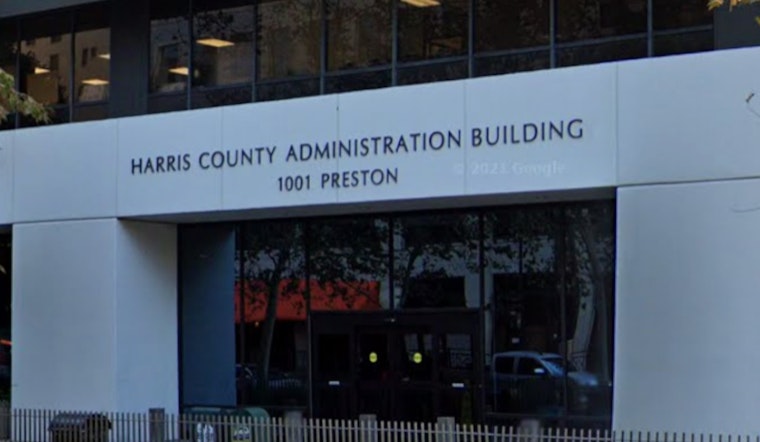
Harris County officials approved a pilot program that placed the center in several justice courts and have described the model as a way to move crowded dockets more efficiently while steering tenants to benefits and follow-up services. The county has also worked to connect clients with eligibility systems and local providers so a single court visit can open the door to additional assistance, as shown in a Harris County Commissioners Court video.
Funding, Limits And Big Bets
To help the Houston operation grow, Harris County put in $1 million and sent additional funding to existing service providers even as federal pandemic-era relief tapers off. Melton says he declined some restricted grants so his attorneys could work without tight eligibility rules, warning that "most legal aid comes with a lot of red tape and strings." He has also estimated that it would take about $4 million a year to field enough lawyers to offer representation to every renter who walks into an eviction courtroom, as reported by the Houston Chronicle.
Why This Matters Legally
Because civil eviction courts do not guarantee a right to counsel, most tenants show up alone to face landlords who often have attorneys and well-practiced systems behind them. Traditional legal-aid providers typically require income verification, citizenship checks and conflict screenings, all of which can slow down or block same-day help. That is one reason the walk-in courtroom model is pitched as a complement, not a competitor, to organizations such as Lone Star Legal Aid, per Lone Star Legal Aid.
With eviction filings still elevated and federal rental aid receding, Houston's experiment is emerging as a closely watched test of whether rapid, flexible legal intervention can scale up. The center says it is tracking demographic information and case outcomes to convince private donors and public agencies that planting a lawyer at the courthouse door is a cost worth paying, according to the Houston Eviction Advocacy Center.




