

























































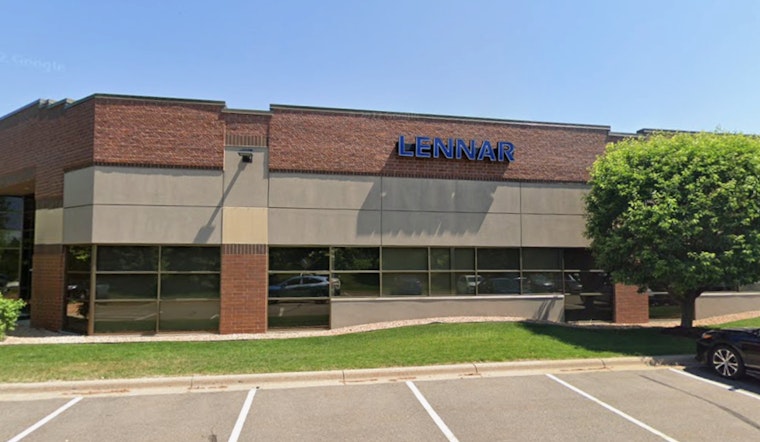
If you were hoping for a plot twist in the Twin Cities homebuilding rankings for 2025, it did not arrive. Lennar once again led the metro-area market by residential revenue, topping a field of 25 for-sale builders that together reported roughly $3.69 billion in gross revenue and more than 6,500 closings last year.
Those totals come from Housing First Minnesota's annual Top 25 Builders of 2025 list, which orders firms by Twin Cities metro revenue. The group reports that the Top 25 combined for $3.69 billion and 6,512 units in 2025, with Lennar alone accounting for about $1.054 billion and 2,136 homes closed. Rankings are based on information supplied by the builders and do not include commercial rental or senior housing.
Top builders and who climbed
The Minneapolis/St. Paul Business Journal took the ranking a step further, publishing an expanded online version that added five residential companies to the 20 featured in print, giving a wider view of who is actually building in the metro. The top 10 by revenue included Lennar, D.R. Horton – Minnesota, Pulte Homes of Minnesota, M/I Homes, Capstone Homes, Robert Thomas Homes, Hanson Builders, Creative Homes, Gonyea Homes and David Weekley Homes, according to the Minneapolis/St. Paul Business Journal.
Single-family still dominates
Behind the revenue leaderboard is a familiar product mix. Of the units reported on the list, 5,183 were traditional single-family homes, compared with 1,390 townhomes or multifamily units, underscoring how heavily builders leaned into for-sale product in 2025. That split helps explain why national, production-focused builders dominate the upper tiers of the ranking, according to Housing First Minnesota.
Local builders punching above their weight
Robert Thomas Homes reported that it landed in sixth place after closing 244 units and generating more than $184 million in revenue, a solid showing that points to continued strength in the mid‑market segment. Creative Homes and David Weekley Homes each published their own write-ups celebrating their positions on the list, highlighting how the Twin Cities rankings blend national high-volume players with regional firms that emphasize design and build quality.
What the numbers leave out
The annual ranking, by design, captures only one slice of the market: for-sale revenue. It excludes commercial rental and senior housing, which means it does not fully reflect the scale of broader metro development, particularly apartments and institutional projects. Permit data from the Keystone Report and coverage in local trade publications indicated that multifamily activity lagged in parts of 2025 even as single-family permits held steadier, a nuance that does not always show up in gross-revenue lists covered by regional outlets such as Finance & Commerce.
For Twin Cities readers watching supply and affordability, the takeaway is that production remained tilted toward for-sale single-family homes in 2025, and that national builders continued to set the pace on volume. The full Top 25 rankings and company-by-company figures are available from Housing First Minnesota and were recapped in local coverage of the list.





