

























































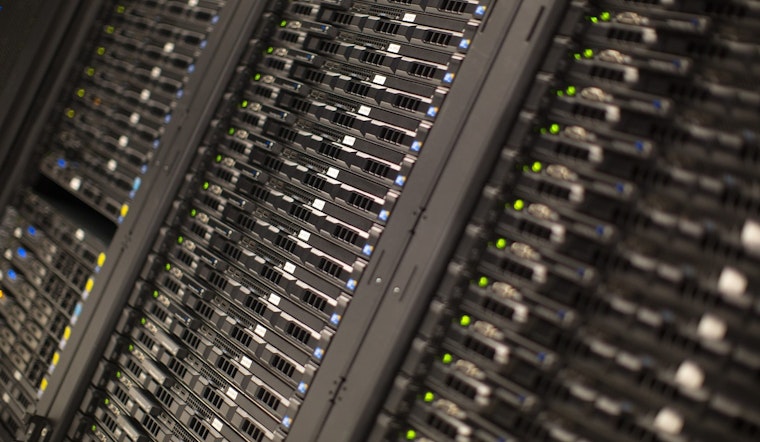
Louisiana is one of 14 states that do not disclose how much tax revenue they give up to lure sprawling data centers, a blind spot watchdogs say hides the real price tag of mega projects such as Meta’s Hyperion campus in Richland Parish. That silence matters for parish governments, school districts and ratepayers, who can end up footing the indirect bill for power, water and infrastructure upgrades. Without clear, audited numbers, voters and local officials are missing the basic math they need to decide whether decades-long tax rebates are actually worth it.
Good Jobs First finds 14 states omitting losses
A new analysis from the transparency group Good Jobs First concludes that at least 14 states, including Louisiana, fail to report revenue losses from data center tax abatements. The study, republished by New Orleans CityBusiness, also found that Georgia, Virginia and Texas each forfeit $1 billion or more per year to data center incentives. Watchdogs argue that when those losses stay off the books, it obscures the way incentives shift costs from companies to taxpayers and the public services they rely on.
Why accountants say numbers belong in audited reports
The Governmental Accounting Standards Board’s Statement No. 77 requires governments that follow GAAP to spell out tax-abatement revenue losses in their audited Annual Comprehensive Financial Reports, specifically so those costs show up in the public record. At the same time, the National Conference of State Legislatures reports that at least 38 states now dangle dedicated tax incentives for data centers, which helps explain why the scale of potential foregone revenue has ballooned. GASB Statement No. 77 lays out how the disclosures should work, and NCSL tracks the incentive programs that are driving those numbers.
The Louisiana picture: Act 730 and Hyperion
In 2024 the Legislature passed Act 730, creating a long sales tax rebate for qualifying data center projects, a change that officials say helped bring large builds into Louisiana. Both local reporting and national coverage have followed Meta’s Hyperion campus as it has grown into a multibillion dollar build that requires major utility deals and has stirred community pushback over roads, water use and noise. For more on the incentives and policy shifts, see New Orleans CityBusiness, and for broader coverage of Hyperion, see Fortune.
What watchdogs want next
Good Jobs First is urging states to comply with GASB, fully disclose their foregone data center revenue and back-report losses as far as fiscal year 2017 so policymakers can weigh the true costs and benefits. The group warned that "no form of state spending is more out of control today than data center tax abatements" and called for audits, refiled ACFRs and searchable public portals. Some states are already taking a different tack: lawmakers in Maine, for example, recently approved a temporary moratorium on large data centers while they study the impacts, as Stateline reported.
There is no single fix. State auditors or treasurers can demand corrected filings, legislators can tighten reporting rules, and local officials can push for clearer payment-in-lieu-of-taxes or benefit agreements. For New Orleans and other Louisiana parishes that are counting jobs and contract dollars, the report is a reminder that the glossy investment numbers in press releases are only one side of the ledger, and that what never shows up in the disclosure column could change how communities judge long-term value.





