

























































Editor's Note: This article has been updated to reflect more precise details regarding Divvy's pricing structure and revenue sharing arrangement.
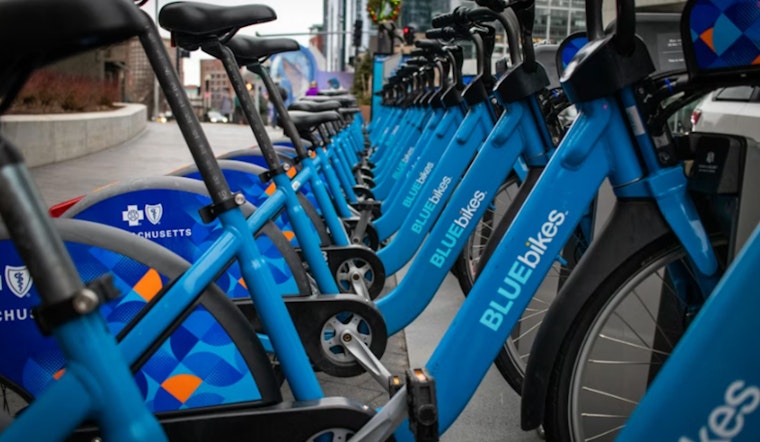
Lyft is keeping its grip on Greater Boston's Bluebikes system under a fresh regional contract that hikes prices for casual riders while promising more e-bikes, upgraded docks and a new revenue-sharing setup that moves most operating costs off city budgets. The cost of a single-ride unlock is set to rise to $3, day passes will climb to $11.99 and per-minute charges will go to $0.33 for casual (non-member) riders, with any future increases tied to regional inflation. Member pricing remains unchanged. Local officials say the deal should smooth the path for more suburbs to join the network and help speed up the rollout of new stations.
As reported by Streetsblog Massachusetts, the agreement replaces the system's April 2017 operating contract and is the product of a year-long procurement run by the Metropolitan Area Planning Council. Under the new terms, Lyft will send participating municipalities $100,000 per month from sponsorship revenue, plus a 5% share of all casual revenues, which includes single trip unlocks and casual per-minute fees (including e-bike fees). Bidders said that shift should largely remove the need for towns to subsidize day-to-day operations. Bid documents also underscored just how popular the pedal-assist bikes have become: in their first year, e-bikes accounted for about 25 percent of rides even though they made up a smaller slice of the fleet. Lyft's proposal calls for electrifying roughly 10 percent of stations, or about 60 to 70 stations, in the first three years.
Local Leaders Say Cities Will Save Money
Smaller communities are already adjusting their plans around the new model. In Revere, councilors signed off on a five-year agreement with Lyft, and city staff told the council that the revised structure will eliminate per-dock monthly fees. Once Blue Cross Blue Shield sponsorship revenue and existing grants are factored in, the city could even end up with a net credit. As the Revere Journal reported, officials say the contract should make it far more affordable to expand stations in places like Revere.
E-bikes, Charging Docks and Bonuses
The operator's proposal also tries to nudge cities toward electrification with cash. According to Streetsblog Massachusetts, Lyft has set aside up to $2 million in bonus payments for communities that help install charging-capable docks. Those charging stations are expected to cut down on labor-intensive battery swapping and improve the reliability of e-bikes, which the company says could eventually open the door to lower e-bike user fees. State money is already lining up behind expansion as well: the Healey-Driscoll administration awarded Quincy $250,000 in March to install Bluebikes docks south of the Neponset River, per the state's announcement.
What Riders and Towns Should Expect Next
The updated casual-ride prices are slated to kick in later this month. From there, municipalities and Lyft will work through detailed plans for which stations get electrified first and how quickly new hardware can be rolled out. The procurement was based on a 2025 MAPC request for proposals posted on the state procurement site, which spelled out growth targets and performance standards for a system that can financially sustain itself. Riders should see more e-bikes and additional docking stations in the coming years, though towns will still pick up the capital tab for any new stations they request.





