

























































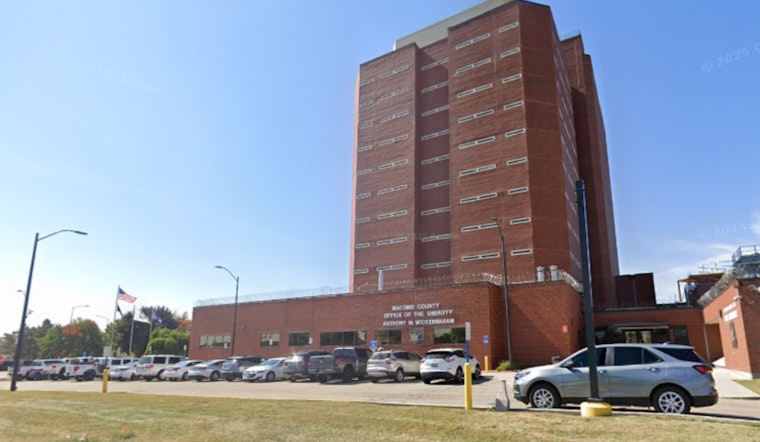
A Macomb County Sheriff's Office drone helped deputies track and arrest a 14-year-old who allegedly fled on a speeding electric bicycle less than 24 hours after the county launched a new Drone as a First Responder pilot. A deputy who first spotted the rider kicked off a ground pursuit but quickly pulled back over safety concerns. The drone kept the teen in its sights and followed the e-biker into a parking garage, where deputies moved in and took the juvenile into custody. The brief, neighborhood-length chase has quickly sharpened debate across Michigan over how and when police should use drones.
How the drone was used
According to a Macomb County Sheriff's Office release, a deputy at the intersection of Vesper Drive and Shenandoah Drive saw a juvenile on a black e-bike run a stop sign around 10:49 a.m. The deputy began to follow, but supervisors soon halted the ground pursuit because of safety concerns.
At the same time, other deputies were gearing up for a scheduled Drone as a First Responder demonstration. Instead, they put the drone straight into service, launching it to maintain visual contact with the rider. The aircraft tracked the e-bike through multiple neighborhoods and into a parking garage in the 49300 block of Bulldog Drive, where deputies arrested the teen, as reported by The Detroit News.
Sheriff Anthony Wickersham said the pilot program “reflects our commitment to embracing technology that enhances how we serve and protect our community.”
Drone-as-first-responder programs are spreading
Drone as a First Responder, or DFR, systems are designed to launch from fixed docking stations and provide near-instant aerial views of 911 scenes. Agencies say that kind of overhead look can cut down on risky vehicle chases and speed up emergency assessments for everything from traffic stops to medical calls.
The National League of Cities recently announced an initiative to help municipalities evaluate DFR programs, and local pilots are appearing across the country, according to reporting by Route Fifty and a trial in Oregon detailed by OPB.
Privacy advocates urge rules
Civil-liberties groups warn that without clear rules, police drones can shift from targeted response tools to broad surveillance systems. They are pushing for public input, strict limits on how long footage is kept and strong audit requirements when agencies roll out DFR systems.
The ACLU of Michigan has urged that police drone policies include strong privacy guardrails and community oversight to prevent misuse, as outlined in the group's statements about local drone programs, according to the ACLU of Michigan.
Where the law stands
In Lansing, lawmakers have introduced a package of bills that would reshape how public agencies buy and operate drones. The measures would set up standardized “no drone” signage, create rules for drone detection tools and grant narrow authority to intercept or disable aircraft in some situations, as tracked by MichiganVotes.
Law-enforcement groups have praised the operational benefits of drones but pushed back on parts of the package that they say could conflict with FAA rules, as reported by The Detroit News.
What it means for neighbors
The Macomb arrest illustrates why agencies are eager to test DFR tools. Deputies say drones can deliver fast, actionable information without the dangers that come with extended vehicle chases. At the same time, it highlights why privacy advocates are pressing hard for statewide guardrails before the technology becomes routine.
Macomb County officials say the pilot remains in an early phase while training and policy work continue, and the broader conversation in Lansing will help determine whether these tests stay small or grow into permanent deployments over neighborhoods like the one where the teen was arrested.





