

























































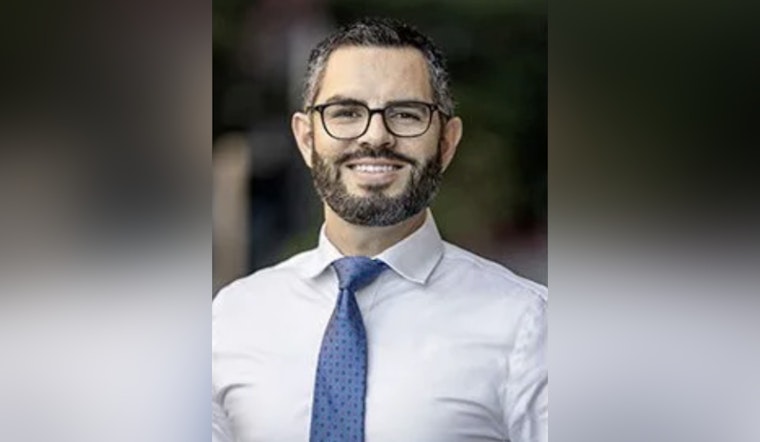
Mayor Zohran Mamdani has tapped Paul Ochoa, a senior official at the Department of Transportation, to take over the Department of Design and Construction and turn stalled street redesigns into full-scale rebuilds. Ochoa, who rose through the ranks in both sanitation and transportation, is expected to start at DDC next week and will be measured on how quickly today’s paint-and-plastic pilots become concrete sidewalks, curbs and protected bike lanes. The choice signals the mayor’s intent to convert quick-hit street fixes into durable infrastructure across all five boroughs.
Ochoa has served as the DOT’s executive deputy commissioner since 2022, helping oversee the agency’s roughly $1.5 billion operating budget and a 10-year capital plan in the low $30 billion range, according to NYC DOT. As first reported by Streetsblog, City Hall says Ochoa will move from DOT to DDC next week to lead the agency’s capital delivery efforts.
“Delivering infrastructure for New Yorkers, the infrastructure that they deserve and expect, faster, is going to be my top priority at DDC,” Ochoa told Streetsblog. He said he plans to speed up the conversion of successful DOT street-improvement pilots into full reconstructions by using alternative delivery methods such as design-build, arguing the city should not have to wait years for a pilot to prove itself before locking in permanent curb, sidewalk and lane work.
Why the DDC timeline matters
The Department of Design and Construction was created in 1996 to centralize the city’s capital projects, a shift recorded in the agency’s own history and related public records. Experts have long pointed to the state’s low-bid procurement rules and a knotty, multi-agency approval process as key drivers of delays and cost overruns, a pattern detailed by the Center for an Urban Future. For additional background on the department’s origins, see its historical summary on Wikipedia.
Big projects show the stakes
Large, multi-year efforts illustrate what DDC is up against. The East River Park rebuild is part of the East Side Coastal Resiliency program, which lists several contracts with substantial-completion targets in 2026, according to the project’s fact sheet (ESCR). Those materials show contract values in the hundreds of millions of dollars and program budgets that link sewer upgrades, flood protection and park reconstruction, factors that can stretch timelines for nearby street work and raise the stakes for faster delivery at DDC.
What to watch next
Ochoa’s early tests will center on whether he can narrow the gap between DOT pilots and full street reconstructions without sending costs soaring. That kind of turnaround will require tighter coordination with utilities, the Office of Management and Budget and possibly a push in Albany to broaden design-build authority. Reform advocates say New York City could save hundreds of millions of dollars and cut months from construction schedules by loosening procurement rules and leaning more heavily on alternative delivery methods, a case laid out in the Center for an Urban Future report.





