

























































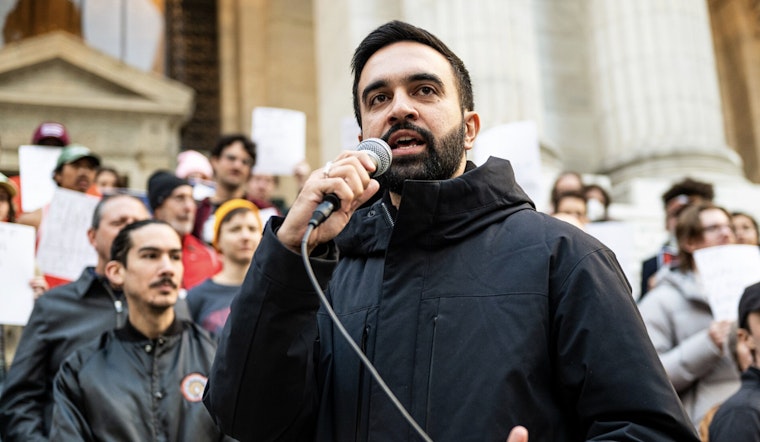
Mayor Zohran Kwame Mamdani walked into New York City’s Housing Court on April 13, 2026, and walked out saying the scenes would stick with him. He toured the courthouse intake areas, sat in on parts of the docket and watched tenants try to navigate unsafe conditions, alleged harassment and a maze‑like path to justice. The visit comes as his administration ramps up enforcement against negligent landlords while advocates press for a faster, fairer court system.
Per a post on X by Mayor Mamdani, he wrote that he "became the first New York City Mayor to visit Housing Court," met with Administrative Judge Shahabuddeen Ally and Chief Administrative Judge Joseph Zayas, and spoke with people in intake, legal‑service providers and advocates. He said he walked through the resolution, HP and NYCHA parts of the court and that his team will work closely with the chief judge and the chief administrative judge to confront the concerns he heard.
What He Saw In Housing Court
Mamdani said he saw "families on the brink of losing their homes" and watched tenants bounce between intake windows and jammed help desks. Per his post on X, the mayor described conversations with advocates and legal‑service staff who said many hearings are adjourned while inspectors, interpreters or counsel are still being lined up. For him, those scenes underscored the human stakes behind what can otherwise look like abstract case counts and color‑coded calendars.
Housing Court's Logjam
New York’s housing dockets are widely criticized for delays that routinely push hearings out for weeks or months while counsel is assigned or conditions are checked. As The Real Deal reported during the mayor's recent Reddit Q&A, advocates and court observers point to serial adjournments and late‑stage evidence‑gathering as major drivers of the backlog. Those delays have been the subject of legal complaints and citywide reporting that argue better early intervention and improved intake could shorten timelines.
Administration's Enforcement Push
The visit lands as the Mamdani administration has been escalating enforcement against bad landlords, winning a court judgment that levied more than $2.1 million in penalties in a Bronx case and placing dozens of buildings under heightened oversight for dangerous conditions. According to transcript and press materials from the Mayor's Office, the city says it will keep using nuisance‑abatement tools and the Alternative Enforcement Program to compel repairs and hold repeat offenders accountable.
What's Next
Mamdani said his team will now coordinate with court leaders to tackle the problems he witnessed. Advocates and city staff are already floating fixes such as earlier referral to lawyers, quicker inspection and verification of conditions and better outreach to tenants before their first hearing. Cea Weaver, the mayor’s tenant‑protection director, suggested many of those steps during an online Q&A, saying "easier access to counsel earlier" could prevent unnecessary adjournments, as reported by The Real Deal. Turning those ideas into speedier relief will require cooperation between City Hall and the state‑run courts.
Court Cooperation Will Matter
Operational changes depend on close coordination with the judiciary. The New York State Unified Court System names Joseph A. Zayas as chief administrative judge and Shahabuddeen A. Ally as the administrative judge who oversees New York City civil courts. Those officials set calendars and manage court operations, meaning any mayoral push to move cases faster will need their buy‑in. For the tenants waiting in the building that day, Mamdani's visit was a visible signal; the challenge now is turning that walk‑through into quicker hearings and safer homes.





