

























































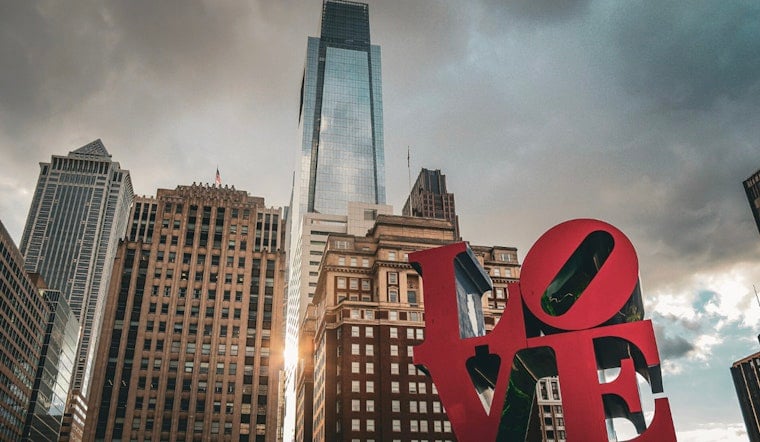
A Manhattan jury has dropped a nine-figure hammer on art dealer Michael McKenzie and his company American Image Art, ordering them to pay $102 million to the Morgan Art Foundation for forging thousands of works attributed to late Pop artist Robert Indiana. The verdict is the latest and possibly most explosive turn in a long-running brawl over who controls the legacy of the man behind the famous LOVE image.
Court Finds Forgeries, Hands Out Huge Damages
The federal jury in the U.S. District Court for the Southern District of New York found McKenzie liable and ordered $102,000,000 in damages, according to Reuters. Morgan’s attorneys argued that American Image repeatedly sold works pitched as genuine Indiana pieces that the foundation says were actually unauthorized reproductions or outright forgeries.
How The Fight Over LOVE Began
Morgan Art Foundation, which acquired exclusive rights in the 1990s to reproduce and market many of Indiana’s best-known images, filed suit on May 18, 2018, one day before Indiana’s death, according to Justia. The complaint accused McKenzie and American Image of copyright and trademark infringement, tortious interference, and other claims tied to thousands of works the foundation said were produced and sold without its permission.
Sanctions, Missing Art, And Discovery Drama
The case turned unusually dramatic even before trial. Judges concluded that McKenzie failed to comply with discovery orders, with the court describing a "repeated, intentional refusal to comply with court‑ordered discovery," according to Justia. Law firm Quinn Emanuel said McKenzie had moved roughly 2,500 Indiana artworks ahead of a court-ordered inspection. Those discovery violations led to sanctions that let Morgan present evidence of alleged concealment and fabrication to the jury.
Forgery Allegations And A Signature ‘Ghostwriter’
Earlier filings laid out whistleblower-style allegations from former employees and referenced a recorded video that the foundation says shows a mechanical device used to reproduce Indiana’s signature on prints. Artnet News detailed those filings and claims, which Morgan later used to help build its case at trial.
Denials, Countersuits, And Rulings Against American Image
American Image has long denied the accusations. The company filed counterclaims in 2022, but a Manhattan judge dismissed those claims in 2024, according to Reuters. McKenzie’s attorney told Artnet News that the artworks were moved "to much better facilities" for preservation and that certain production methods had been authorized by Indiana himself.
Legal Fallout And What Comes Next
Morgan’s lawyers say the verdict vindicates years of investigation, while McKenzie is expected to appeal. The foundation may now move to collect on the judgment. The case highlights how bruising provenance battles and discovery showdowns can shape the outcome of high-value art disputes, and it could spur museums, galleries, and collectors to take a hard second look at works connected to American Image or McKenzie.
Quinn Emanuel, which represented Morgan at trial, called the sanctions and verdict "a decisive outcome" and said the rulings resolve the central dispute over Indiana’s artistic legacy, according to the firm’s press release. Appeals and enforcement proceedings are likely to stretch on as both sides deal with the real-world impact of that $102 million number.





