

























































Workers in Mansfield who clock in before sunrise or head home long after dark are about to get some help. Richland County Transit is rolling out RCT Flex, a one-year pilot starting May 4 that stretches weekday service into the early-morning and late-evening hours. The service uses two one-hour loop routes built around apartment clusters, hospitals and the airport, and includes a paid deviation option that lets buses swing up to a quarter-mile off the route to pick riders up closer to home. Transit officials say the goal is simple: give people a way to reach jobs, appointments and shopping when regular fixed routes are not running.
As reported by News 5 Cleveland, RCT Flex will run Monday through Friday from 4:30 to 7 a.m. and from 6:15 to 11:15 p.m., aimed squarely at early-morning, late-evening and overnight shift workers. RCT assistant general manager Tara Burchett told the station the pilot is designed both to help riders get to work and to help employers finally fill those hard-to-cover shifts. Local commuter Trent Spencer described sometimes walking up to two hours when buses are not running at all. Drivers who helped design the new loops say they deliberately placed stops near apartment complexes, hospitals and the airport to match spots where riders already cluster.
According to Richland Source, the pilot features two loops: Route 17 runs largely north-south and Route 18 runs east-west, tying together neighborhoods and key destinations. Transfers will be centered at the RCT Transit Center, with an extra connection point at Longview and Main. Fares are the same as standard RCT service: a one-way trip costs $2, with half-price rides for youth, seniors and riders with disabilities, and payment accepted in cash or through the EZFare mobile app. RCT Flex will use flag stops and also offers a “deviation” pickup up to a quarter-mile off the regular route for an extra $2 when scheduled at least 24 hours in advance. Planning materials note that thousands of residents and jobs sit within a half-mile of the new corridors.
Federal research dollars back the pilot
The project is fully funded for its first year through a Federal Transit Administration research award administered by the University of Minnesota’s MATI program, the Richland County Regional Planning Commission says. The MATI initiative, run by the University of Minnesota, pairs real-world demonstration projects with tight data tracking to see whether expanding transit access actually boosts employment and mobility. Local partners, including the North End Community Improvement Collaborative and transit consultants, will help manage the study and gather feedback from the riders who live with the new service every day.
Open house and free preview rides
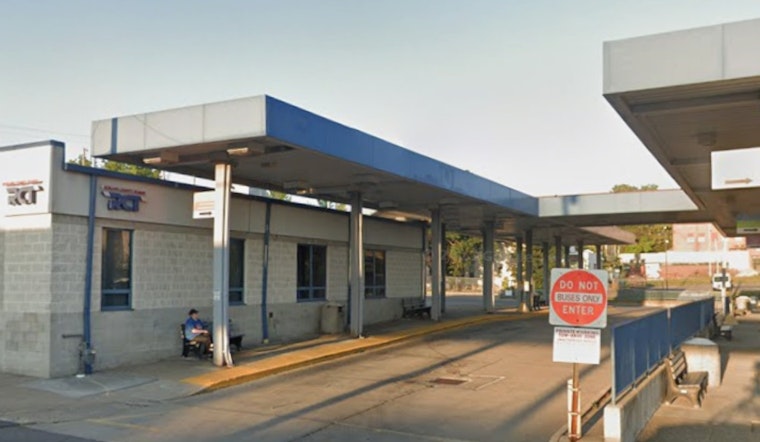
RCT is inviting the public to kick the tires on the new routes at an open house and preview rides on Tuesday at the RCT Transit Center, 74 S. Diamond Street. Open-house sessions are scheduled from 6 to 8 a.m. and 3 to 5 p.m. The agency will also run guided preview rides on Route 17 at 9:15 a.m. and Route 18 at 10:30 a.m.; would-be riders are asked to reserve a spot by calling 419-522-4504, Richland Source reports. Staff say the idea is to let residents see, in real time, how the Flex routes link neighborhoods, job centers and other destinations before regular service kicks in.
How the Flex routes will work
News 5 Cleveland reports that RCT is also adding midday trips to Route 15 to strengthen connections to the Airport Industrial Park during key shift changes, and that bus drivers had a major say in where stops should go. The Flex service is open to anyone, whether the trip is for work, a doctor’s appointment, grocery run or simply seeing friends. Its “deviated fixed-route” setup lets riders request a closer pickup for a small additional fee. Officials say they plan to track ridership and performance weekly and monthly, then use those numbers to decide which pieces of the pilot to keep once the MATI funding wraps up.
Local planners note that the pilot is the product of about 18 months of work and more than 700 distinct points of community engagement, and that it will feed a steady stream of data back to the MATI research team to guide longer-term service decisions, the Richland County Regional Planning Commission says. If the demonstration cuts transportation insecurity and helps employers cover open shifts, officials say they will look for ways to keep the most effective elements going after the federal support runs out.





