

























































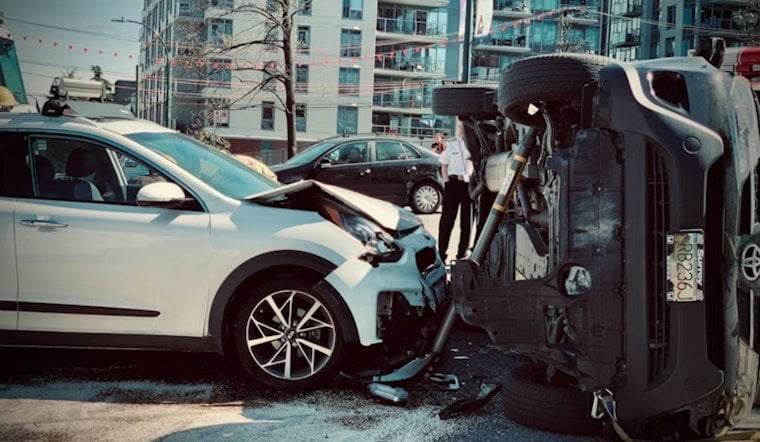
If it feels like drivers in Utah hit a boiling point every March, the numbers are on your side. Since the state’s new road rage enhancement kicked in, troopers have leaned on it more in March than in any other month, in both 2025 and 2026. For commuters in Salt Lake County and regulars on Interstate 15, the trend is a pointed reminder that aggressive driving is not just rude, it can be criminal.
March stands out in trooper enforcement data
Utah Highway Patrol enforcement tallies show that March 2025 logged 31 enhancement incidents, while March 2026 has 16 so far. Across 2025, troopers averaged about 14 enhancement cases per month. UHP’s tracking system, created after the road rage enhancement became law, shows that 53% of incidents took place on Interstate 15 and 46% happened in Salt Lake County. Saturdays are the hottest days of the week, and roughly 31% of cases resulted in injury or death. Only about 10% of cases involved impairment, but among those impaired drivers, roughly 35% had blood-alcohol levels above .16. Those figures, along with accounts from troopers and victims’ families, were laid out by KUTV.
What the law changed and when
Utah’s road rage enhancement, HB 30, took effect on July 1, 2024. It created a statutory definition of “road rage” and gave troopers and prosecutors clearer authority to track and increase penalties for violent driving behavior. The Department of Public Safety framed it as both an enforcement tool and an education effort, with potential outcomes that include fines, vehicle impoundment, and license sanctions. The rollout and key provisions are described by the Utah Department of Public Safety.
Enforcement so far and broader trends
State reports and testimony to lawmakers indicate the law produced dozens of enhancement charges in its first year and highlighted demographic and timing patterns that could guide outreach. Reporting from KSL notes that 148 enhanced charges emerged from 93 cases after the law took effect and that fatal crashes linked to aggressive driving remain a central concern for troopers. Officials say they intend to use the data to target education and enforcement where it will have the most impact.
Legal implications
Under the enhancement, officers can tack road rage penalties onto underlying offenses such as reckless driving or assault. That increases the severity of the charges and can bump some misdemeanors to higher levels. Repeat offenders risk stiffer outcomes that may include license actions and vehicle seizure, depending on circumstances and prosecutorial decisions. The Utah Legislature details how the enhancement is meant to be applied in court and by law enforcement.
Voices from families and troopers
Behind the spreadsheets are families who pushed for change. “You know, when things happen, you can’t take them back,” said Peter Salm, whose brother and his brother’s girlfriend were killed in a 2023 road rage crash. Salm’s advocacy for tougher penalties helped drive the new law, he told KUTV. Troopers say the clearer definition and improved tracking already give them a sharper picture of where to focus prevention and enforcement.
How drivers can protect themselves
UHP and safety advocates offer simple advice: do not engage. Slow down, avoid gestures, and, if someone appears to be following or threatening you, call 911 and head for a safe, public place. If you can do it safely, note license plates and record video from a distance; those details can help troopers investigate and, under the new tracking system, show up in enforcement data. The Utah Highway Safety Office keeps a road rage resource page with tips and reporting links at the Utah Highway Safety Office.
Troopers and lawmakers say the data is still early but already useful. Watching the patterns month by month is expected to shape enforcement priorities, public education, and any future bills. For people behind the wheel, the takeaway is blunt: keep your cool on the road, because a few seconds of anger can carry permanent legal and human costs.





