

























































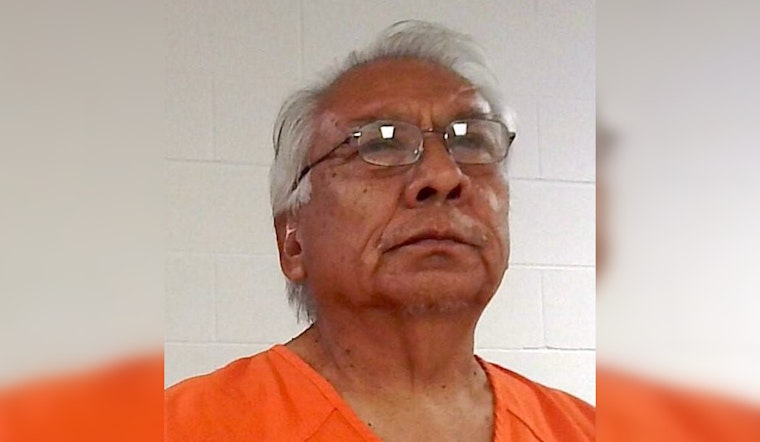
Jimcy McGirt, the Oklahoma man whose name is attached to the U.S. Supreme Court's landmark McGirt v. Oklahoma decision, was ordered back into custody on April 16, 2026, after a judge found he violated terms of his supervised release. The ruling sends one of the most visible figures in the state's long-running jurisdictional battles back to federal custody and adds a new chapter to a case that has already complicated prosecutions across eastern Oklahoma.
According to NonDoc, court filings and a district court order show McGirt was returned to prison after alleged probation violations tied to his supervised release. The outlet reports that prosecutors pressed the judge to impose additional time while defense attorneys argued for leniency, and that the court described McGirt as a repeat offender.
McGirt entered a guilty plea to aggravated sexual abuse in federal court in late 2023 and was later sentenced in 2024, according to a press release from the U.S. Attorney’s Office for the Eastern District of Oklahoma. That release notes the case was heard in Muskogee and identifies the judge who presided over the federal sentencing.
Local reporting and court records show McGirt was released to supervised release in May 2024, then indicted on multiple counts of failing to register as a sex offender. In June 2025 he pleaded guilty to one registry-related count, per KOSU. Those filings outline a post-release stretch that included a Seminole Nation no-contest plea and a brief tribal sentence last year.
Probation revocation and recent hearings
Court filings submitted by probation officers and prosecutors describe the violations that led to the revocation motion and McGirt's return to custody. Tribal reporting has tracked McGirt's movement between Seminole Nation court, a federal indictment, and Okmulgee County detention, as detailed by MVSKOKE Media. The filings cite failures to update registration information and to follow residency and supervision restrictions as the basis for asking the court to revoke his release.
Victim statements and prosecutor request
NonDoc reports that the original victim in the 1997 case read a statement in court describing long-term trauma, and that prosecutors used the supervision violations to argue for tougher consequences. According to the outlet, federal prosecutors pushed for additional time behind bars while tribal and defense lawyers debated whether alternative sanctions or tribal supervision were still appropriate options.
What happens next
McGirt remains in custody while judges weigh the revocation and any additional sentencing, and court dockets indicate further hearings could be scheduled in the coming weeks. Per KOSU and public filings, the case will continue in the Eastern District of Oklahoma, where McGirt's name and the 2020 Supreme Court decision that bears it have had outsized effects on how tribal and federal authorities handle prosecutions across the region.


