

























































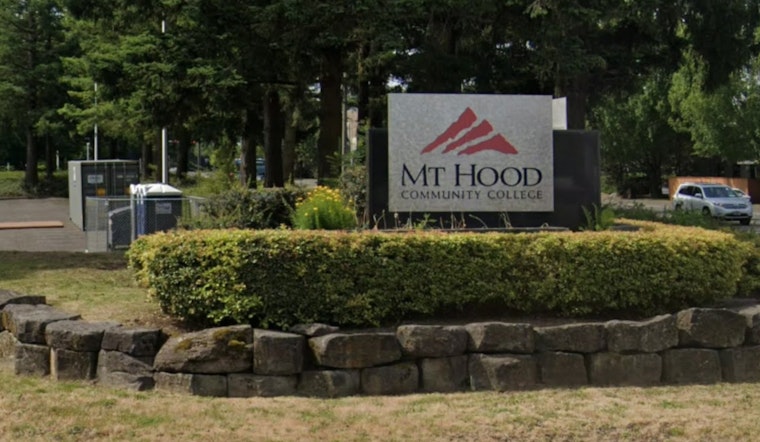
Students and staff at Mt. Hood Community College's Gresham campus are on alert after officials warned that people may have been exposed to measles in the Academic Center, also known as Building 17. Health and college officials say the potential exposure took place on the main level of the building, and anyone who was there between 10 a.m. and 1:50 p.m. on Monday should get in touch with a health care provider right away.
What Officials Are Saying
According to OregonLive, state and county public-health teams zeroed in on the campus after contact tracing linked a measles case to the Academic Center. Officials are urging anyone who was in the building during the listed time window to alert their health care provider about the possible exposure before showing up in person so staff can arrange testing and care without putting others at risk.
How Measles Spreads And Who Is Most At Risk
Measles is highly contagious and spreads through the air when an infected person coughs, sneezes, talks or even breathes. Viral particles can linger in the air and stay infectious for up to two hours, according to the Centers for Disease Control and Prevention. Symptoms usually kick in seven to 21 days after exposure and often start with fever, cough, runny nose and red eyes, followed by a rash. Young children, pregnant people, older adults and anyone with a weakened immune system face the highest risk of serious complications.
If You Were On Campus
Multnomah County advises anyone who was on the main level of the Academic Center during the exposure window to contact a health care provider immediately and to call before going in so staff can prepare for safe evaluation. Families without a regular provider can reach county health clinics at 503-988-5558. Clinicians can review vaccination records, age and, if needed, lab tests to determine whether someone is already immune, then recommend testing, vaccination or immune globulin based on that assessment.
Prevention And What To Watch For
The Oregon Health Authority reports that 14 measles cases have been confirmed in the state so far this year and continues to stress that vaccination is the strongest line of defense. Health officials note that two doses of the MMR vaccine are about 97% effective. For people without proof of immunity who were recently exposed, post-exposure protection may still be an option. The Centers for Disease Control and Prevention recommends an MMR shot within 72 hours of exposure or, for certain higher-risk contacts, immune globulin within six days.





