

























































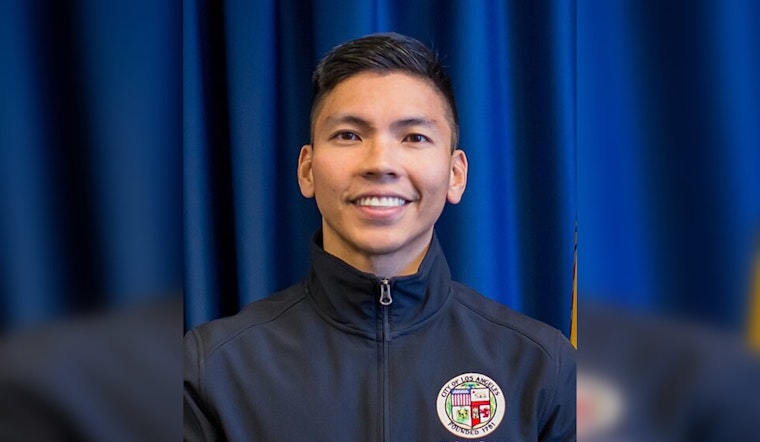
Los Angeles City Controller Kenneth Mejia says his office has uncovered roughly $80.4 million sitting untouched in the city's special funds, even as officials brace for another rough budget year. The review flagged scores of accounts with little or no recent activity and outlined options to shift that money into reserves or one-time spending. Mejia is pitching the discovery as both a fiscal red flag and a ready-made pot of cash for parks, housing, public safety, and other city priorities.
Controller's findings and scope
According to the Los Angeles Daily News, the controller's review looked at 612 special accounts and found 177 of them holding a combined $80.4 million that had gone unspent as of June 30, 2025. Mejia's office suggested that some of those idle dollars could be used as a one-time plug for an anticipated shortfall of more than $200 million in the 2026–27 fiscal year. The Daily News report also outlined the controller's mix of short- and long-term ideas for getting the money into circulation.
Controller's recommendations
The City Controller's Office is urging a cleanup of the special fund landscape, including policy changes to cut down the number of idle accounts, directing departments to identify eligible uses for dormant balances, and closing out obsolete funds, according to a report by the City Controller's Office. The office recommended that Mayor Karen Bass and the City Council either put the balances to work quickly or transfer them to the Reserve Fund, and also consider using those dollars to repay prior loans made from the Reserve Fund. Officials asked the Chief Legislative Analyst and City Attorney to report back to the Budget and Finance Committee on what legal and administrative steps are needed to repurpose or consolidate specific funds.
Where the money could go
The controller's report sketched out possible near-term uses for the money, including about $11.9 million for community safety efforts, $10.9 million for economic development, $9.7 million for parks, $9.5 million for arts and tourism, and $7.8 million for housing and homelessness, as reported by the Los Angeles Daily News. Those numbers are suggestions, not final budget moves. Mejia stressed that because most of the cash represents one-time funds, it should be spent strategically so the city does not create ongoing programs it cannot sustain.
Mayor and council reaction
Mayor Karen Bass thanked the controller for the deep dive and cast it as part of a broader push for transparency and multi-year planning, according to MyNewsLA. On the City Council side, reactions were mixed. Housing Committee Chair Nithya Raman argued that repeated underspending highlights the need for tighter oversight and faster contracting. The back-and-forth underscores the tension at City Hall over how to use one-time cash in the face of ongoing service demands.
What comes next
Mejia has asked the Budget and Finance Committee to take up his recommendations during upcoming budget hearings, and he is pushing for monthly or quarterly reporting on special fund activity, according to the City Controller's Office report. Departments are being urged to file expenditure plans, while the City Attorney is being asked to spell out any legal constraints before funds are consolidated or shifted. Any major re-appropriations would likely show up in the mayor's budget proposal and then get picked apart in the council's spring budget hearings.
A pattern of underspending
The new findings fit into a pattern Mejia has been calling out, in which sizable allocations, especially for homelessness, end up partially unspent and rolled into future budgets. On March 24, Mejia's tracking of homelessness spending was reported to have left roughly $473 million unspent in fiscal 2025, much of it parked in special funds. Advocates say that the recurring lag between budgeting and actual spending has chipped away at public confidence in City Hall's promises.
City leaders now have a fairly stark choice: move quickly to steer these one-time balances into pressing needs, or keep letting the money sit in accounts that roll forward by design. The spring budget hearings will be the real test of whether Mejia's recommendations gain traction, and the Controller's Office says it will keep publishing the numbers so voters can see whether City Hall follows through.





.jpg)