

























































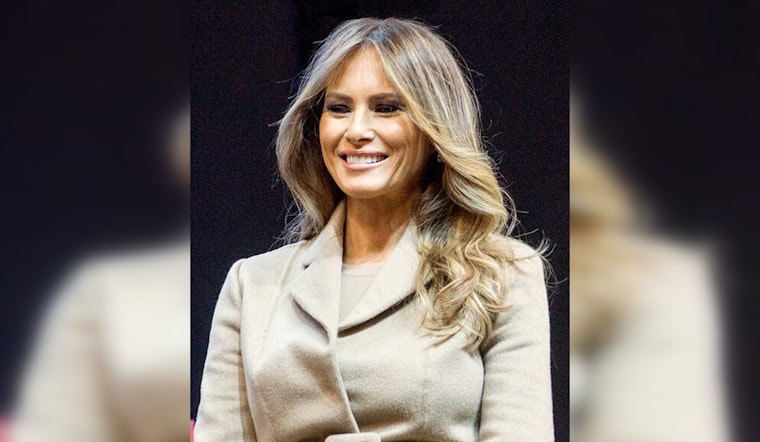
First Lady Melania Trump strode to the White House lectern Thursday and flatly rejected any connection to Jeffrey Epstein, denouncing online chatter as “lies” and urging Congress to give survivors the microphone. She insisted she was never friends with Epstein or Ghislaine Maxwell and said some of the images and posts making the rounds on social media were being twisted or taken out of context. Her unexpected appearance instantly pulled fresh attention back to a controversy that has hovered over Washington since the release of Epstein-related records this year.
Reading from prepared remarks, Trump said, “I've never been friends with Epstein,” and called on lawmakers to create a public forum where victims could tell their stories on the congressional record. She described the accusations against her as mean-spirited, politically driven, and pointed out that her legal team had already batted down some of the claims. As reported by The Associated Press, she also took aim at viral photos and messages online, arguing that they misled viewers about her ties to Epstein’s world.
Why the statement landed in Washington
Trump’s comments came while lawmakers and the Justice Department continue to sift through and release millions of pages connected to the Epstein investigation, a slow-drip process that has kept the scandal on front pages. The staggered disclosures, plus dueling document releases from Capitol Hill, have sparked new questions about who shows up in the files and why some material remains blacked out. That rollout, along with fights over what has been made public so far, helped set the stage for the first lady’s surprise public denial, according to reporting by The Associated Press.
What the records show
Members of Congress who have pushed out portions of the files say the documents contain emails and notes that place Epstein and his associates in overlapping social circles with high-profile political and business figures. Some of those exchanges have been quickly weaponized by both parties. Democrats have highlighted messages they argue suggest links between Epstein and named individuals, while the White House and its allies have tried to undercut those readings. An explainer by Al Jazeera walks through several of the most closely watched records and the sharply different interpretations they have sparked, which helps explain why the issue keeps circling back over Washington.
Capitol reaction and subpoenas
On Capitol Hill, investigators have been demanding sworn testimony on how the Justice Department managed the trove of Epstein records. The House Oversight Committee issued a subpoena to former Attorney General Pam Bondi for a deposition, but the Justice Department has informed the panel that Bondi will not sit for the April session now that she has left office. That move has triggered threats of further enforcement action from lawmakers hungry for answers. CBS News reported on the department’s letter and lawmakers’ anger over the decision, noting that the standoff makes it harder for Congress to map out what happened behind the scenes.
Legal angle
Trump’s on-stage denial comes on top of a series of legal threats and retraction demands her team has already lobbed at critics. Her attorneys have pressed outlets and individuals to walk back allegations and, in at least one case, signaled they were prepared to sue over claims tying her to Epstein’s circle, as described in reporting by NBC New York. Legal analysts note that while congressional hearings could give survivors a powerful public stage, they would not by themselves determine civil or criminal liability for anyone mentioned in the documents.
Whether Trump’s full-throated denial quiets the online rumor mill or simply pours gasoline on it now hinges on how investigators and publishers handle whatever remains under wraps. With subpoenas, depositions, and yet more document reviews still ahead, Washington is almost certain to be living with the ripple effects of this episode for some time.





.jpg)