

























































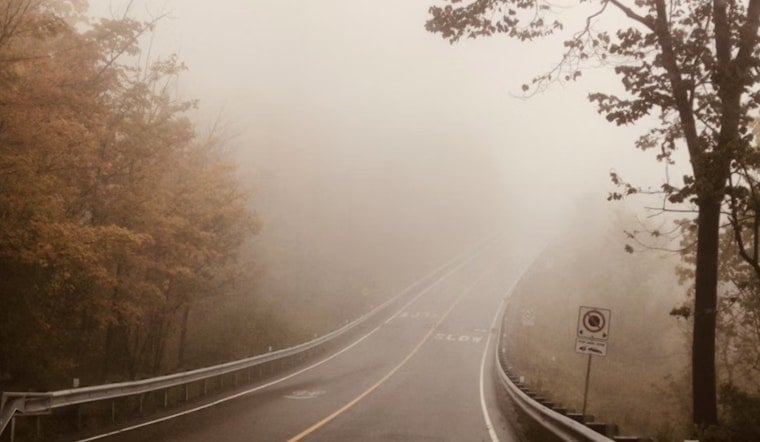
Houston woke up Monday to a thin, smoky haze that made whole neighborhoods smell like a campfire and turned the skyline into a washed‑out backdrop. Meteorologists say the murky start comes from seasonal agricultural burning in Mexico, with smoke pulled north and puffed up by the muggy spring air.
According to KHOU, satellite imagery and viewer reports point to agricultural fires in Mexico as the source of the haze hanging over the city. Forecasters at KBTX explain that a steady onshore flow, combined with elevated humidity, is swelling fine smoke particles into a visible haze, and most local monitors are showing air quality in the "Moderate" range.
State forecast and satellite confirmation
The Texas Commission on Environmental Quality’s daily forecast notes that light‑density smoke and aerosols from southern and central Mexico, including the Bay of Campeche, can drift north into eastern Texas and push PM2.5 into the lower‑moderate range for Houston today, according to TCEQ. NOAA’s Satellite Services Division has analyzed visible imagery and smoke products that show plumes tracking north over the Gulf in step with the onshore winds meteorologists have described, and the agency’s smoke text product singles out agricultural fire smoke from Mexico and Central America as a contributor. NOAA's analysis underlines how those distant burns can end up clouding Texas skies.
Who should be careful
The U.S. Environmental Protection Agency warns that fine particulate matter (PM2.5) in smoke can aggravate asthma, heart disease and other respiratory conditions, and that children, older adults and people with lung or heart issues should ease up on outdoor exertion when the Air Quality Index is in the Moderate range or worse. The EPA offers specifics on masks, indoor air cleaning and other ways to protect yourself when smoke rolls in.
Practical steps for Houston residents
Before you commit to a long run or an afternoon outside, check real‑time air quality maps at AirNow. Run your HVAC on recirculate to cut down on smoke drifting indoors, and skip heavy outdoor exercise while readings are elevated. If you have to be outside and levels climb, consider a properly fitted NIOSH‑approved N95 respirator and keep strenuous activity short until the air clears.
Conditions can shift quickly as the wind changes, so the haze may come and go and even look different from one neighborhood to the next over the next 48 to 72 hours. We will keep an eye on satellite imagery and local forecasts and update if air quality conditions change.





