

























































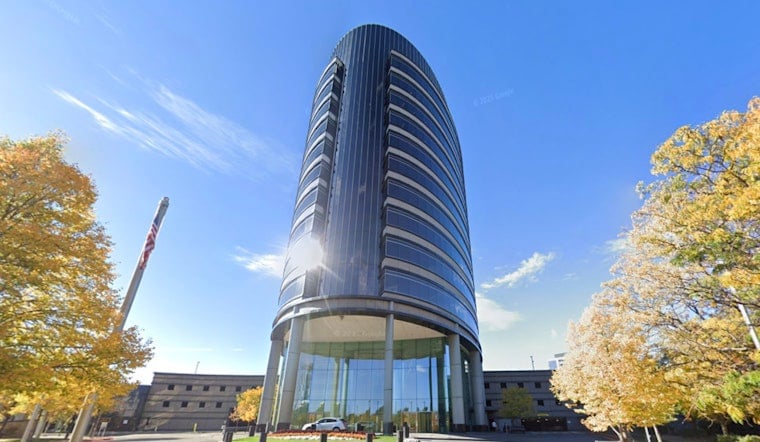
Real Brokerage is making a serious South Florida power move. The company agreed Monday to acquire RE/MAX Holdings in a deal that values the iconic franchisor at roughly $880 million and will create a new combined holding company called Real REMAX Group. The merger would fold RE/MAX's global franchise machine into Real's tech‑first brokerage, resulting in a network of roughly 180,000 agents across more than 120 countries and territories. Company statements say the transaction is expected to close in the second half of 2026, pending customary shareholder and regulatory approvals.
Under the agreement, RE/MAX shareholders can choose to receive either 5.152 shares of Real REMAX Group or $13.80 in cash per RE/MAX share, subject to proration that limits total cash consideration to between $60 million and $80 million. Real shareholders would receive one share of the new holding company for each Real share, according to Business Wire. The companies say the deal implies an enterprise value of approximately $880 million and a fully synergized multiple of about 7x 2025 EBITDA. Management also released investor materials and hosted a conference call to walk through the details.
Scale And Finances
On a pro forma basis for 2025, the combined company would have generated roughly $2.3 billion in revenue and about $157 million in adjusted EBITDA before synergies, with the parties targeting roughly $30 million of annual cost savings, according to RE/MAX's 8-K filing. The plan is to keep RE/MAX and Motto Mortgage running as franchise brands while Real continues to operate as an owned brokerage under the same umbrella. Filings describe the combined scale as a way to diversify recurring fees and plow more money into agent tools and marketing.
Why Consolidation Keeps Accelerating
Industry watchers see the deal as one more sign that real estate's big players are racing to bulk up. Brokerages are chasing scale, technology and steadier recurring revenue to blunt the impact of a tougher commission environment. Bloomberg notes that Real brings a fast‑growing, AI‑centric brokerage model, while RE/MAX delivers a sprawling global franchise footprint, a pairing other firms are starting to imitate. For agents and franchisees, the gamble is straightforward: if the back‑office systems and shared tech actually mesh, productivity should climb.
Leadership, Headquarters And Next Steps
Real has tapped its own chief, Tamir Poleg, to serve as chairman and chief executive of Real REMAX Group. The new holding company will be headquartered in Miami while maintaining significant operations in the Denver area, according to Real's Form 6-K. “This acquisition is an important step on our journey to build a technology platform that empowers real estate professionals and improves the consumer experience,” Poleg said in the companies' joint release. The transaction is expected to close in the second half of 2026 and remains subject to shareholder votes, customary regulatory approvals and a plan of arrangement under British Columbia law.
What Agents And Consumers Should Watch
Both companies emphasize that RE/MAX's franchise model and the Motto Mortgage brand will continue to operate autonomously, while Real will remain an owned brokerage, according to the filings. RE/MAX has also canceled its May earnings call in light of the pending combination. The company's 8-K notes that co‑founder Dave Liniger, who controls roughly 38% of voting power, has agreed to vote the shares he controls in favor of the transaction.
On the ground, agents will want to keep a close eye on integration timelines, any changes to franchise‑level fees and how fast the promised tech tools and cross‑platform services actually show up in day‑to‑day business.
Early coverage of the deal surfaced in trade and business outlets, including Crain's New York Business, which cast the transaction as another step in a broader reshaping of the brokerage landscape. Investors and real estate professionals should get a clearer picture when the companies file their registration statement, proxy materials and more detailed integration plans in the coming months.





