

























































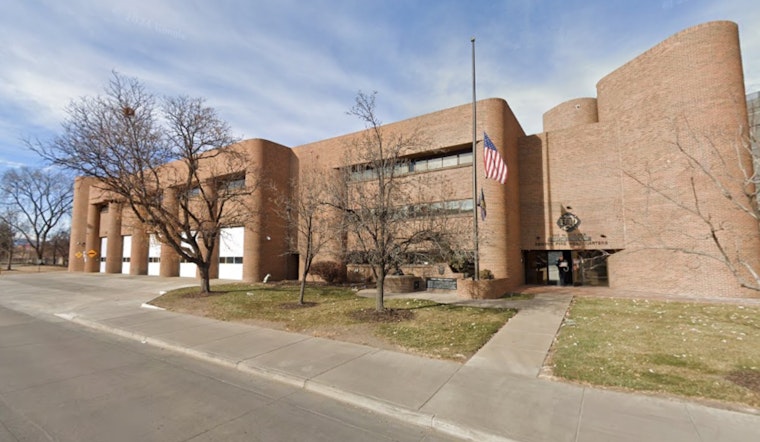
Denver-area fire chiefs say the metro is heading into peak fire season with fewer ready-to-roll fire trucks than they would like, which could force departments to juggle coverage while older rigs stay on the street. Long waits for new vehicles, rising replacement costs and hard-to-find parts have pushed many frontline engines well past the age they were supposed to retire. With wildfire weather closing in, chiefs say they are rejiggering maintenance schedules, mutual-aid arrangements and station assignments to keep the busiest trucks in service.
Denver chiefs warn of coverage gaps
Fire leaders around the Denver metro told 9News the crunch started during the COVID-19 pandemic and has only intensified, leaving departments with fewer backup trucks and slower repair turnarounds. Chiefs described shuffling vehicles between stations, front-loading preventive maintenance, and leaning heavily on mutual aid to avoid holes in coverage. They say those workarounds help in the short term but can leave departments exposed if several frontline rigs are sidelined at once.
Backlogs have stretched waits to years
The squeeze is national, with many departments now waiting years for custom-built engines and turning to refurbished apparatus to keep fleets running, according to Wisconsin Public Radio. Reporting from other regions has found that after 2020, orders surged while parts, labor, and factory capacity lagged, which sent delivery timelines out several years. Fire officials say that kind of uncertainty makes it far tougher for both city and volunteer departments to plan budgets and schedule replacements.
Manufacturers point to demand and supply-chain snarls
Major manufacturers have acknowledged large backlogs in regulatory filings. REV Group’s 2025 SEC disclosures describe multibillion-dollar back orders and extended lead times for new apparatus that are putting extra strain on municipal purchasing calendars. At the same time, federal court complaints and consolidated lawsuits filed by cities describe extensive backlogs, alleged price hikes, and claims that consolidation in the industry has deepened delays, according to court documents. Those filings from both sellers and buyers highlight how production shortfalls have turned into real-world risks for frontline readiness.
How departments are coping
Across the country, fire departments report stretching the life of their engines with major refurbishments, snapping up demonstration or surplus trucks when they appear and delaying retirements to keep response capacity intact. Smaller jurisdictions in particular have told reporters they are prioritizing life-safety apparatus and putting off other big-ticket projects in order to pay for emergency repairs. Those temporary fixes help keep rigs rolling today, but they do not shorten the multi-year waitlists for brand-new, custom-built trucks.
Legal and policy fallout
Municipalities and state officials have opened investigations and filed lawsuits to pressure manufacturers over delays and rising costs. State probes and civil cases, including complaints brought by Wisconsin municipalities and consolidated federal lawsuits, allege that market concentration and certain contract practices helped fuel the backlogs, and those case files detail billions of dollars in unfilled orders. Lawmakers and regulators are now weighing whether antitrust or procurement changes could reduce future risk for departments working with tight budgets.
Fire chiefs stress that residents should not panic. Day-to-day emergency response is still operating, and departments say they plan to lean on mutual aid and prioritize life-safety calls if resources get tight, according to local reporting. Even so, officials are urging the public to test smoke alarms, map out evacuation plans and report emergencies quickly so crews have the best possible chance to respond.
With warmer, drier months on the way, Denver-area departments say they are hustling to keep frontline trucks ready while the industry grinds through a backlog that they trace to the pandemic and say has not yet cleared.





