

























































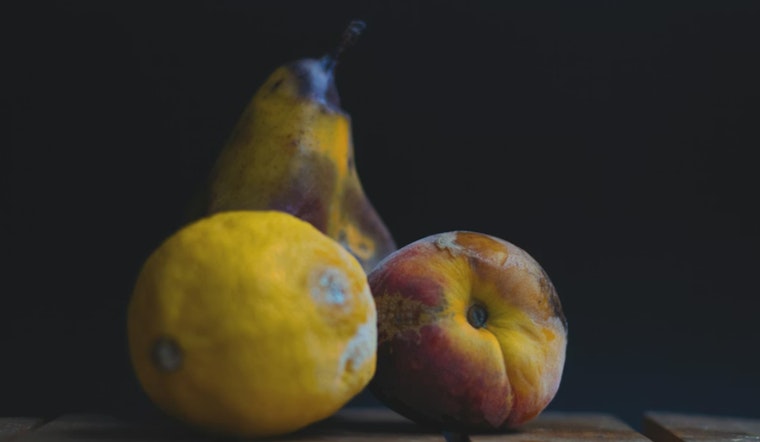
Moldy fruit and shaky worker hygiene landed several Valley spots in this week’s Dirty Dining roundup, with Maricopa County inspectors flagging spoiled produce at multiple Phoenix-area eateries and documenting one staffer blowing their nose and heading right back to the line without washing. The findings are a blunt reminder that basic food-safety lapses, from bad produce to skipped handwashing, are still popping up in everyday inspections around the metro.
What the Dirty Dining report said
As reported by Arizona's Family, this week’s Dirty Dining list features violations that include moldy fruit and an inspector’s note that a worker "blew their nose and did not wash up" while on the line. Those details come straight from Maricopa County inspection logs that local outlets routinely turn into weekly Dirty Dining roundups.
Where to see the inspection records
Maricopa County posts complete inspection reports on its public Restaurant Ratings portal, where "All inspection reports are public records" and remain online for several years, according to Maricopa County Environmental Services. The portal lets diners read the inspector’s notes, see whether problems were fixed on the spot, and check how follow-up inspections turned out.
Recurring problems in the records
Local coverage shows that mold, temperature-control issues and poor hygiene keep resurfacing in inspection logs across the Valley. As reported when inspectors recently flagged moldy cauliflower and unrefrigerated eggs, those kinds of priority violations are exactly what tends to drive Dirty Dining headlines.
How to check and report
If you spot spoiled produce in a case or watch an employee skip basic handwashing, you can ask a manager to step in and then verify what shows up in the county file. Residents can search inspection reports or file a formal complaint through the county’s Environmental Services website or by calling the department’s complaint line at 602-506-6616, per Maricopa County Environmental Services.
Why handwashing matters
The Centers for Disease Control and Prevention notes that washing hands with soap removes germs and significantly cuts down on diarrheal and respiratory illnesses, making it one of the most important steps food workers can take to prevent contamination. In restaurant kitchens, the CDC warns that unwashed hands can move pathogens from surfaces, noses or raw ingredients into ready-to-eat foods; see CDC for more.
Enforcement and what can follow
Local regulators generally rely on the FDA’s model Food Code as their starting point. When inspectors find priority violations, they can require on-the-spot corrections, schedule re-inspections or pursue other enforcement steps. The model code provides the structure for those decisions, and local reporting shows inspectors frequently discard suspect items or order fixes before they leave the scene; see the FDA Food Code 2022 and local coverage for background.
Dirty Dining roundups run weekly and draw directly from county inspection logs, so if a particular kitchen has you worried, it is worth a quick look at the latest notes and, if needed, a report to the county. Arizona's Family keeps Valley readers updated with fresh Dirty Dining installments built from those public records.





