

























































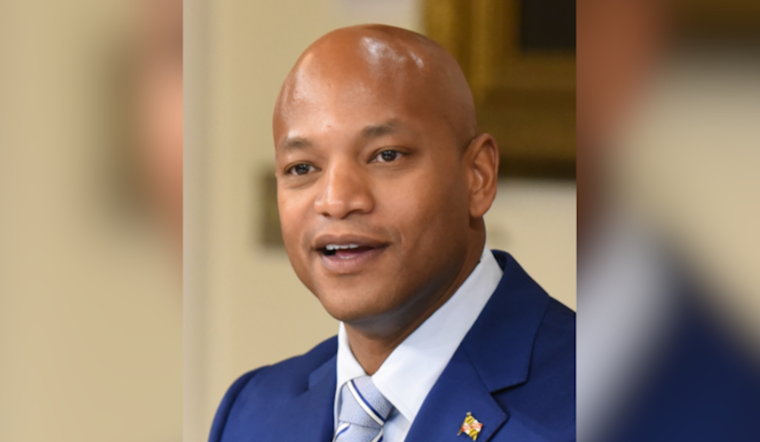
Gov. Wes Moore's top aides were among Maryland's highest-paid state employees in 2025, according to a fresh look at state payrolls. The disclosure lands just as the administration is defending tax changes and program cuts passed this year, a timing that critics say puts a spotlight on how much the top brass is making while services feel the squeeze.
State payroll records compiled by The Baltimore Sun show Moore and several senior advisers posted some of the highest salaries in 2025, according to reporting republished by FOX45. The Sun's review drew on the state's payroll datasets and found that total payroll costs increased even as the number of state employees decreased in 2025. That combination has reopened scrutiny of executive-branch personnel costs as budget season heats up.
Payroll Climbed Even as Headcount Fell
Analysts say Maryland's overall compensation bill rose substantially even while the total number of state employees slipped in 2025. Independent reporting flagged a $642 million year-over-year increase in payroll, driven largely by raises and higher top-end salaries, according to RealClearInvestigations. That mix of fewer workers and a larger payroll, analysts warn, is the kind of recipe that can widen structural budget shortfalls.
Why Lawmakers Are Pressing the Issue
The politics are touchy. Lawmakers wrapped the 2026 legislative session after approving billions in program cuts, and many are asking why personnel costs are rising at the top while services get trimmed. Ben Orr of the Maryland Center on Economic Policy told the reporter that pay scales for senior staff should be comparable to White House staffers or a corporate headquarters team, a comment that goes straight to the heart of the fight over how competitive the state needs to be versus what taxpayers can afford. Opponents counter that the optics of steep executive-branch pay amid broad cuts to services will only sharpen scrutiny in the months ahead.
Administration Pushes Back
The Moore administration has defended the compensation levels as necessary to recruit and retain experienced officials and has pointed to negotiated labor deals that preserved raises for many workers. In a January press release, the governor's office said economic agreements with major state unions delivered an average 2% pay increase for more than 11,000 workers, about a $37 million investment, while stressing a need to balance fair pay with fiscal discipline, per the Office of Governor Wes Moore. Administration officials say personnel costs will remain part of the discussion as budget talks continue.
What’s Next
Budget analysts warn that if compensation keeps growing faster than revenues, Maryland may face tougher choices in coming cycles: higher taxes, deeper cuts, or both. Reporting at Maryland Matters details how lawmakers and the administration recently closed shortfalls with a mix of cuts, fund shifts, and tax changes, and advocates say the new payroll disclosures will sharpen oversight of personnel spending. For now, expect lawmakers, fiscal watchdogs, and the governor's office to keep sparring over whether top-tier pay is a smart investment in governing or a bill the state cannot afford.





.jpg)