

























































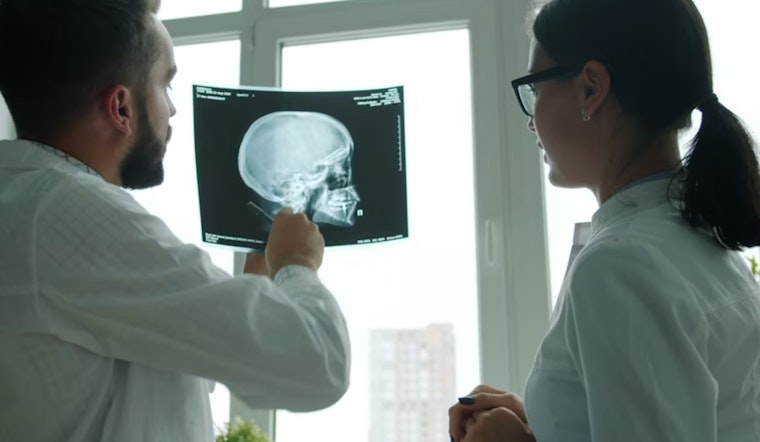
A Napa nonprofit’s student interns are not just padding their résumés. They have been helping build a prototype “Virtual Neurologist” headset that organizers say could shave crucial minutes off stroke diagnosis and is now inching toward commercialization. The wearable blends augmented-reality hardware, computer vision and conversational AI to walk patients through quick exams in places where neurologists are not on hand. Local high-school and college interns have been spending weekdays and some Saturdays working on the system’s sensors and analysis tools.
Nonprofit internship pipeline
NeuroSpring, the Napa-based 501(c)(3) research nonprofit behind the project, runs a multi-year program that funds promising ideas and pairs them with interns to move prototypes toward clinical testing, according to NeuroSpring. The organization’s site notes that its high-school internship launched in 2018 and that most participants go on to study STEM fields.
How the headset works
Ody‑C, the commercial offshoot packaging the research, is building an AR headset that “speaks” with patients, guides brief physical tests and captures exam data using natural-language and computer-vision tools, as outlined in Ody‑C. The device is designed for ambulance and emergency department use, a role TeleSpring, NeuroSpring’s teleneurology initiative, says would extend specialist evaluation to the point of first contact. Ody‑C materials project substantial time savings when diagnosis starts before a patient reaches the hospital.
Students, pilots and the math
Local reporting says the prototype, built with help from groups of four to six students during the week and on Saturdays, already integrates eye-tracking and limb-assessment modules and is being expanded to add facial-asymmetry detection, speech analysis and seizure detection. Ody‑C CEO Kristine Mechem told the local paper she sees immediate ambulance potential and estimated the system could cut 30 to 45 minutes from the diagnostic timeline, which she said might translate into roughly an 11% increase in stroke patients eligible for clot-busting treatment. By comparison, the American Heart Association estimates roughly 795,000 strokes occur in the United States each year, according to the AHA. The project team says NeuroSpring will retain the research IP while Ody‑C handles commercialization, and the group is preparing an institutional review board application and has held talks about ambulance pilots and a presentation at the American Academy of Neurology in Chicago next month, as reported by the Napa Valley Register.
Why the internship pipeline matters
NeuroSpring says its model, funding promising projects for three to five years and pairing them with interns, gives students long-term ownership of the work and helps shepherd prototypes through development, according to NeuroSpring. If pilots validate the concept, organizers and Ody‑C materials suggest the headset could scale beyond Napa ambulances and understaffed ERs, potentially changing how quickly stroke care begins. Key next steps include IRB-approved pilot testing and peer review of early data, per Ody‑C’s development materials.




