

























































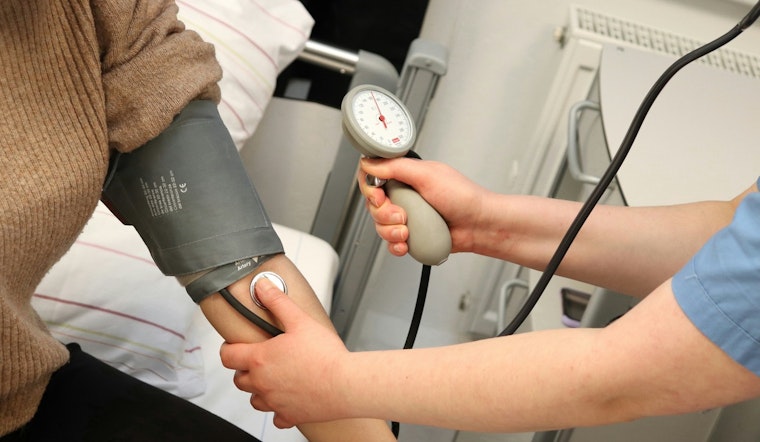
On Tuesday, a Nashville maternal-fetal medicine specialist joined a national expert committee that released a consensus report setting the first formal blood-pressure treatment target for pregnant and postpartum women: treating chronic hypertension during pregnancy to a goal of less than 140/90 millimeters of mercury. The guidance zeroes in on spotting and treating elevated blood pressure earlier in pregnancy and throughout the first postpartum year to prevent cardiovascular complications, which are now the leading cause of pregnancy-related deaths.
What the national report recommends
According to a report by the National Academies of Sciences, Engineering, and Medicine, the committee found substantial evidence that treating chronic hypertension in pregnancy to a target below 140/90 mm Hg reduces severe-range hypertension, preeclampsia, and indicated preterm birth, with no evidence of harm to fetal growth. The committee also called for stronger postpartum hypertension management and noted that programs combining remote or self-measured blood-pressure monitoring with structured clinical follow-up improve early detection and short-term blood-pressure control.
A Nashville voice on the committee
Dr. Connie Graves, a maternal-fetal medicine specialist in Nashville who served on the panel, told WSMV that "pregnancy is what we call a 'heart stress test'" and that closer blood-pressure monitoring can reveal risks before they become life-threatening. She urged better education for both patients and clinicians about blood-pressure warning signs. The report explicitly encourages women to have an at-home cuff, noting that the devices can be affordable and simple to use.
Why this matters in Tennessee
Maternal health advocates say the recommendations are especially urgent for Tennessee, which ranks among the worst states for maternal mortality. Data on the state report card compiled by March of Dimes show Tennessee's maternal-mortality rate at about 42.1 deaths per 100,000 births, compared with roughly 23.5 nationally, putting the state near the bottom on that measure.
Policy context and next steps
Some Tennessee programs have already moved toward home monitoring. In December 2024, TennCare began covering no-cost home blood-pressure cuffs for eligible pregnant and postpartum beneficiaries, according to TennCare. Clinical evidence summarized by JAMA supports programs that combine remote or self-measured monitoring with timely clinical review, and early data suggest those models improve short-term blood-pressure control and engagement in postpartum care. The National Academies guidance and these local policy shifts together make home monitoring and clearer follow-up pathways more feasible for many families.
What's next
The National Academies will host a webinar on May 7, and health systems, clinicians, and state programs will be watching to see how the recommendations are put into practice. For Nashville patients, the takeaway from local clinicians is simple: know your numbers, and ask about home monitoring and follow-up in the months after delivery.



