

























































Nevada’s convenience stores, gas stations and mall walkways are filling up with cash-to-crypto kiosks, and consumer advocates say the machines have become an easy on-ramp for scammers looking to empty bank accounts and retirement funds. The kiosks let anyone turn stacks of cash into cryptocurrency in minutes, a speed that often leaves law enforcement, banks and even family members struggling to catch up once the money is gone.
How Many Kiosks Are In Nevada?
According to Nevada Current, the state has roughly 447 bitcoin kiosks, and about 336 of them sit in southern Nevada, based on a listing from Bitcoin Depot. The Nevada Financial Institutions Division says some operators are already licensed as money transmitters, and that any business unsure whether it needs a license should ask the agency for a formal determination. Nevada FID has also laid out when crypto kiosks cross the line into state-regulated activity.
What The Federal Data Show
Federal complaint data suggest the problem is not a blip. The FBI’s Internet Crime Complaint Center, or IC3, logged 10,956 complaints in 2024 that involved cryptocurrency ATMs and kiosks, tied to about $246.7 million in reported losses. Older adults were hit especially hard: people 60 and older accounted for roughly $107.2 million of that total, according to the IC3 annual report. The IC3 2024 report links kiosk misuse to a familiar rogues’ gallery of tech-support scams, government-impersonation schemes and extortion cases.
AARP’s Fixes: Limits, Warnings, Refunds
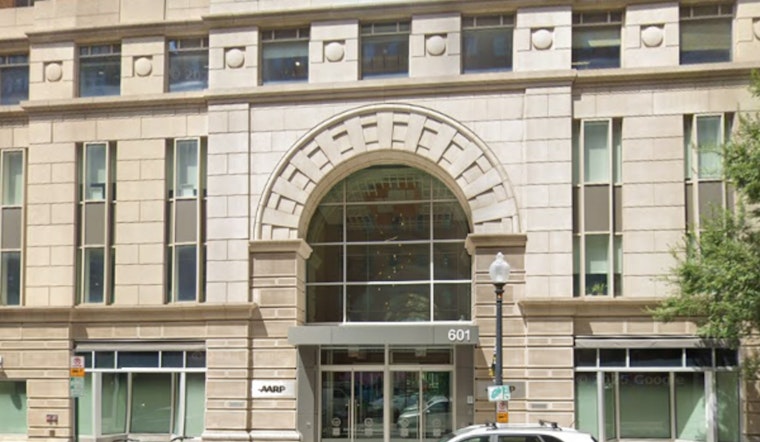
AARP is pressing Nevada lawmakers to put guardrails around kiosk use, including daily transaction caps, clear on-screen and posted scam warnings, limits on kiosk fees and a defined path for refunds when fraud occurs. The group argues that slowing transactions and forcing more disclosure can undercut the fast, one-way transfers scammers count on. AARP says the surge in crypto-kiosk stories has swamped its fraud hotlines and that the machines have financially wrecked many victims who thought they were following urgent instructions from “tech support,” “police” or “government” callers.
Federal Regulators Are Paying Attention
The Treasury Department’s Financial Crimes Enforcement Network, better known as FinCEN, issued a public notice in August 2025 warning that convertible virtual-currency kiosks are increasingly being used to route scam payments and other illicit funds. The notice spells out red flags that banks and kiosk operators should watch for and instructs them to use the term "FIN-2025-CVCKIOSK" in suspicious activity reports tied to kiosk abuse. FinCEN also reminds operators that they are covered by Bank Secrecy Act rules and cannot simply treat kiosks as unregulated vending machines for crypto.
Patchwork Rules Leave Gaps
AARP notes that at least a dozen states have recently moved to regulate crypto kiosks or require basic customer protections, and some cities have gone further by setting local bans or strict caps. According to AARP, those new laws often feature transaction limits, disclosure requirements and windows for refunds. Nevada, however, has not passed kiosk-specific consumer protections, leaving oversight largely to the existing money-transmitter framework and the state Financial Institutions Division, as reported by Nevada Current.
What To Do If Someone Is Targeted
If you suspect you or a family member was pushed into feeding cash into a crypto kiosk, advocates say to move quickly. File a report with local law enforcement, and submit a complaint through the FBI’s IC3 portal so investigators have the kiosk location, amounts, wallet addresses and any other details that might help. Victims can also contact Nevada FID with questions about whether a kiosk operator should be licensed, and reach out to the AARP Fraud Watch Network helpline for support and referrals. Recovering funds is often difficult once the money is converted to cryptocurrency, which is why advocates are focused on refunds and tighter limits on the front end. The FBI’s complaint form and resources are available online at IC3.
Legal And Enforcement Angle
Under Nevada law, kiosk operators that move money for customers or hold cash for transmission can be treated as money transmitters, which means they face state enforcement action or license revocation if they ignore those rules. At the federal level, FinCEN guidance puts kiosk operators and their banking partners on notice that weak anti-money-laundering controls or missing suspicious activity reports can bring regulatory and even criminal consequences. Nevada FID offers state-specific expectations, while FinCEN provides the federal roadmap regulators are using to spot kiosk-related abuse.





